
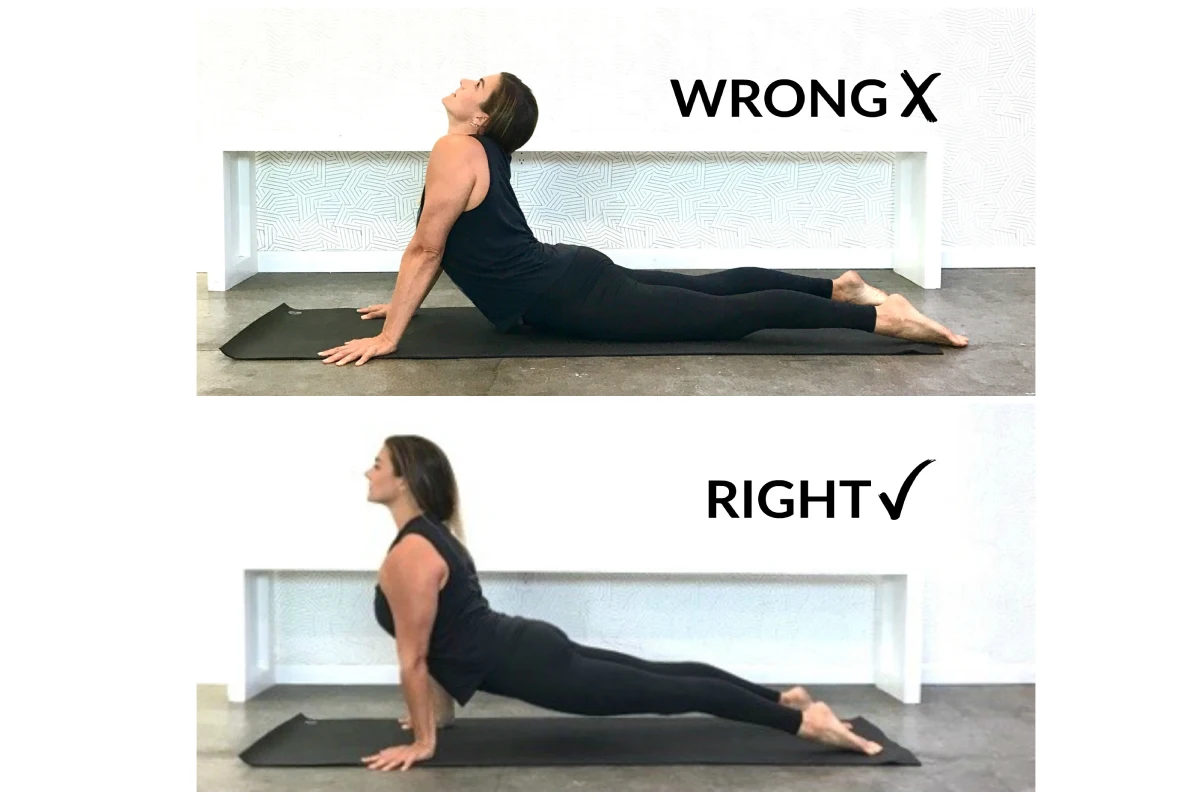
Yoga is often linked with flexibility, balance and being aware in the moment. Getting better is not just about doing harder poses. Success over time comes from knowing about safety, mistakes and healing when trying more complex positions and doing tough training sessions.
A lot of yoga injuries happen not because the pose is risky, on its own. Because people go too fast don’t get ready properly or don’t take time to recover. When practicing to do arm balances, back bends, and or upside down on the body setting aside the safety issue at all stages of practice may improve practitioners with consistency for longevity with hard practice, especially in regards to Recovery which will help the practitioners to advance in advanced practice. difficult yoga poses while reducing the risk of overuse injuries.
Safety, Mistakes & Recovery in Yoga
Safety in yoga means doing each pose the way. It is important to pay attention to how the body feels. It also means moving slowly and carefully. Mistakes happen when someone does a pose wrong. Doing those things could get you injured a bit more often Recovery is all of the actions that your body takes to help itself healing It is also about getting ready, for the time you practice.
Why Safety Matters in Yoga

Yoga is often seen as an exercise yet when people move into advanced yoga poses yoga can really test muscles, joints and connective tissues.
Benefits of Prioritising Safety
- Reduces injury risk
- Improves movement quality
- Supports long-term progress
- Enhances body awareness
- Builds confidence in challenging poses
Common Areas Vulnerable to Injury
| Body Area | Common Issue |
| Wrists | Overloading during arm balances |
| Lower Back | Excessive spinal compression |
| Shoulders | Poor stability in inversions |
| Hamstrings | Overstretching |
| Neck | Improper weight distribution |
Understanding these risk areas helps practitioners make better training decisions. Regular recovery practices can improve flexibility, reduce fatigue, and support long-term success with advanced yoga poses.
Advanced Yoga Safety: Key Principles
Advanced yoga asanas require flexibility along with some additional qualifications like strength, control, mobility, balance and etc.
Respect Individual Anatomy
Every body moves differently. Factors such as:
- Bone structure
- Joint mobility
- Previous injuries
- Training history
can influence how a pose feels and performs.
Progress Gradually
One of the most important principles of advanced yoga safety is gradual progression.
For example:
- Master Crow Pose before Handstand.
- Build Backbend strength before Wheel Pose variations.
- Develop shoulder stability before Forearm Stand.
Skipping progression stages often increases injury risk.
Prioritise Quality Over Depth
A deeper stretch is not always a better stretch.
Focus on:
- Controlled breathing
- Stable positioning
- Balanced muscle engagement
rather than achieving the deepest possible position. After practicing demanding inversion poses, recovery techniques can help relieve stress on the shoulders, wrists, and neck.
Yoga Warm Up: Preparing the Body for Practice
Benefits of Warming Up
- Increases blood flow
- Improves joint mobility
- Enhances muscle activation
- Supports better movement quality
- Reduces sudden strain
Effective Yoga Warm-Up Sequence
| Exercise | Duration |
| Cat-Cow Stretch | 1–2 Minutes |
| Shoulder Circles | 1 Minute |
| Hip Openers | 2–3 Minutes |
| Dynamic Lunges | 2 Minutes |
| Sun Salutations | 3–5 Rounds |
Warm-Up Mistakes to Avoid
Rushing Through Movements
Moving too quickly may reduce effectiveness.
Skipping Activation Exercises
Strength-based poses often require shoulder and core activation.
Jumping Into Deep Stretches
In a case where the muscles are cold they may not be ready for vigorous deep stretching. Recovery sessions that have stretching and mobility in them could help improve your performance in yoga pose for mobility.
Difficult Yoga Poses Mistakes: Common Errors Practitioners Make
Many advanced yoga challenges stem from avoidable technical mistakes.
Mistake 1: Forcing Flexibility
Trying to achieve a pose through passive stretching alone can create excessive strain.
Instead:
- Build active flexibility
- Strengthen supporting muscles
- Progress gradually
Mistake 2: Ignoring Pain Signals
Yoga should not involve sharp or sudden pain.
Warning signs include:
- Joint discomfort
- Tingling sensations
- Sharp pulling feelings
- Persistent soreness
Mistake 3: Neglecting Strength Development
Advanced poses often require significant strength.
Examples include:
| Pose | Primary Strength Requirement |
| Crow Pose | Core and shoulder strength |
| Handstand | Shoulder stability |
| Forearm Stand | Upper-body control |
| Wheel Pose | Posterior chain strength |
Mistake 4: Comparing Yourself to Others
Social media often highlights advanced positions without showing years of preparation.
Your growth needs to be compared to your own capabilities and not that of any other person.
Mistake 5: Practising Without Recovery
Training hard every day may reduce recovery quality and increase fatigue accumulation. Proper rest and recuperation are important for maintaining strength and stamina. when training core-intensive yoga poses.
Advanced Yoga Precautions for Challenging Poses
Advanced yoga precautions become increasingly important as training intensity rises.
Inversions
Examples:
- Headstand
- Handstand
- Forearm Stand
Precautions:
- Learn under supervision when possible
- Build shoulder strength first
- Avoid rushing progressions
Deep Backbends
Examples:
- Wheel Pose
- King Pigeon
- Scorpion Pose
Precautions:
- Warm up thoroughly
- Strengthen glutes and core
- Avoid forcing spinal extension
Arm Balances
Examples:
- Crow Pose
- Side Crow
- Firefly Pose
Precautions:
- Prepare wrists properly
- Develop core control
- Use yoga blocks when learning
Yoga Recovery: Supporting Long-Term Progress
Recovery is often overlooked but plays a crucial role in adaptation and performance.
Why Recovery Matters
Recovery allows:
- Muscle repair
- Nervous system restoration
- Mobility improvements
- Reduced fatigue
Without sufficient recovery, performance may stagnate.
Effective Recovery Methods
Quality Sleep
Aim for:
- 7–9 hours per night
Sleep is one of the most effective recovery tools available.
Hydration
Proper hydration supports:
- Joint function
- Temperature regulation
- Recovery processes
Balanced Nutrition
Recovery nutrition should include:
- Protein
- Complex carbohydrates
- Healthy fats
- Micronutrients
Gentle Mobility Work
Light stretching and mobility sessions can help maintain movement quality without excessive strain.
Safe Practice vs Risky Practice
| Safe Yoga Habits | Riskier Yoga Habits |
| Gradual progression | Sudden difficulty increases |
| Proper warm-up | Skipping preparation |
| Listening to the body | Ignoring pain signals |
| Recovery days | Daily high-intensity sessions |
| Strength development | Flexibility-only focus |
| Professional guidance | Self-teaching complex poses |
Safety, Mistakes & Recovery Workflow
Step 1: Assess Readiness
Before attempting advanced poses, evaluate:
- Mobility
- Strength
- Stability
- Recovery status
Step 2: Complete a Warm-Up
Prepare:
- Shoulders
- Hips
- Wrists
- Spine
Step 3: Practise Progressions
Work through beginner and intermediate variations first.
Step 4: Monitor Technique
Focus on:
- Alignment
- Breathing
- Stability
Step 5: Cool Down and Recover
Finish with:
- Gentle stretching
- Relaxation
- Hydration
Step 6: Review Progress
Adjust training volume and intensity as needed.
Expectations Management: What Progress Really Looks Like
One of the biggest misconceptions in yoga is that advanced poses should be achieved quickly.
Realistic Timelines
| Goal | Typical Timeline |
| Improved Mobility | 4–8 Weeks |
| Better Balance | 6–12 Weeks |
| Crow Pose | Several Weeks to Months |
| Handstand | Several Months or Longer |
| Advanced Backbends | Months to Years |
Individual results vary significantly based on:
- Age
- Training frequency
- Previous athletic background
- Mobility levels
- Recovery habits
Limitations to Remember
Not every practitioner will perform every advanced pose.
Factors such as anatomy and injury history may influence what is comfortable and achievable.
Success in yoga is not measured solely by pose difficulty.
Benefits and Limitations of Advanced Yoga Training
Benefits
- Improved strength
- Better balance
- Enhanced flexibility
- Greater body awareness
- Increased confidence
Limitations
- Requires patience
- Higher recovery demands
- Greater injury potential when rushed
- Progress can be slower than expected
Understanding both sides helps create realistic expectations. Combining recovery strategies with structured yoga pose progressions can help practitioners advance safely and consistently.
Conclusion
If you want to do yoga for a time you really need to understand safety, mistakes and recovery. Doing poses feels great but you must have patience and know how your body feels first. I believe that if you focus on yoga safety stay away from common mistakes do your warm-ups and use recovery strategies your yoga journey will be much more fun and last longer.
Yoga progress does not always move in a line. I have found that practicing every day having goals and using smart recovery habits help you more, than just pushing yourself too hard or trying to move too fast.