
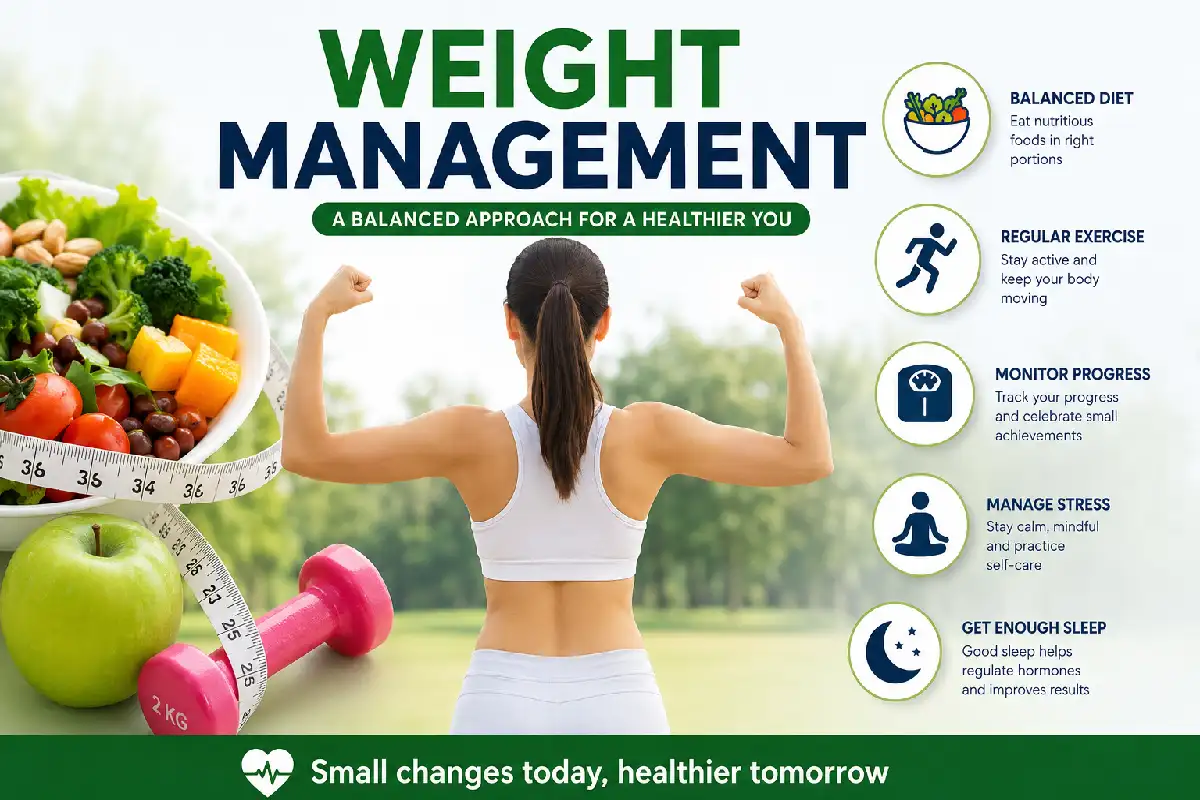
Weight maintenance for many years may be seen as a sprint to the finish, but healthy weight loss should be treated as marathon throughout a healthy lifestyle which focuses upon balance of eating, exercise, rest and behavioral patterns. Maintaining healthy weight can be crucial For the many of us throughout the world. It influences stamina, mobility and even heart health, which affects overall health and wellness centre.
This Article is Part of The Recovery Centre
What Is Weight Management?
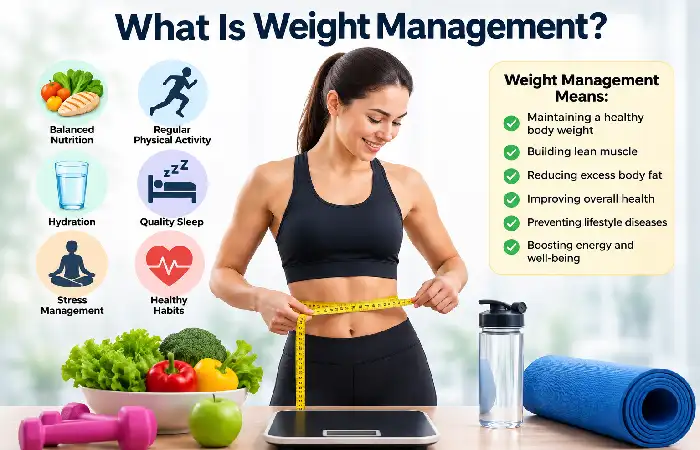
The process of regulating your body weight by consuming foods, which complement and fulfill the requirements of a fit living and regular sleep. Also you have the lifestyle changes and exercising which leads to maintenance of health and this approach towards overall wellness.
Healthy Weight Loss: Understanding the Basics
Most healthy ways to shed those unwanted pounds have one thing in common. If you continuously ‘burn more calories then you ingest, it is called a calorie deficit.
However, healthy weight loss is not solely about eating less. It also involves:
- Consuming nutrient-dense foods
- Preserving muscle mass
- Staying physically active
- Managing stress levels
- Maintaining proper hydration
- Getting adequate sleep
A realistic target for many adults is gradual weight reduction rather than dramatic weekly changes.
Common Factors Affecting Body Weight
| Factor | Impact on Weight |
| Diet Quality | Influences calorie intake and nutrition |
| Physical Activity | Affects energy expenditure |
| Sleep | Can impact appetite hormones |
| Stress | May influence eating behaviours |
| Age | Metabolism may change over time |
| Medical Conditions | Can affect weight regulation |
Fat Loss vs Weight Loss: What’s the Difference?
One of the most misunderstood topics is the difference between fat loss and weight loss.
Fat Loss vs Weight Loss Comparison
| Feature | Fat Loss | Weight Loss |
| Focus | Reducing body fat | Lowering total body weight |
| Includes Water Loss | No | Often yes |
| Includes Muscle Loss | Ideally no | Sometimes |
| Long-Term Health Benefit | Generally higher | Depends on method |
| Body Composition Improvement | Yes | Not always |
When we talk about weight loss it can happen because we lose water, glycogen, muscle or fat.. What we really want is to lose fat. Losing fat is better for our bodies.
For example lets say two people lose the amount of weight.. The person who keeps their muscle and just loses fat is probably going to be healthier. This is because muscle is important for our bodies and we want to keep it when we are trying to lose weight. Losing fat is what we are really, after when we want to lose weight.
Practical Sustainable Habits
Prioritise Whole Foods
Choose foods such as:
- Fruits
- Vegetables
- Whole grains
- Pulses and legumes
- Lean protein sources
- Healthy fats
Increase Daily Movement
Physical activity does not need to be intense to be beneficial.
Examples include:
- Walking
- Cycling
- Gardening
- Taking stairs
- Household activities
Build Consistent Eating Patterns
Skipping breakfast is not for everyone. Regular meals at the correct times in your day are better for appetite regulation than skipped meals.
Weight Loss Workout: Exercise for Long-Term Results
Physical activity has the potential to support weight loss, as well as and also its management.
Benefits of Regular Exercise
- Supports calorie spending
- Helps preserve muscle mass
- Improves cardiac health
- Increase mood and mental wellbeing
- Supports metabolic function
Beginner-Friendly Weight Loss Workout Plan
| Day | Activity |
| Monday | Brisk walking (30 minutes) |
| Tuesday | Bodyweight strength training |
| Wednesday | Walking or cycling |
| Thursday | Strength training |
| Friday | Moderate cardio |
| Saturday | Active recreation |
| Sunday | Recovery and stretching |
Strength Training Matters
Most people only concern themselves with cardio exercises, but resistance training can keep up your muscles even while body fat is being cut down.
Examples include:
- Squats
- Push-ups
- Lunges
- Resistance bands
- Light dumbbell exercises
Weight Management Workflow
Step-by-Step Process
- Assess current habits and weight goals.
- Calculate realistic calorie needs.
- Improve food quality gradually.
- Introduce regular physical activity.
- Monitor progress monthly.
- Adjust habits based on results.
- Focus on consistency rather than perfection.
- Maintain healthy habits after reaching goals.
The whole approach fosters incremental growth and prevents major leaps.
Expectations Management: What Results Are Realistic?
Many advertisements promise rapid transformations. In reality, weight management outcomes vary significantly among individuals.
Factors Influencing Progress
- Starting weight
- Activity levels
- Age
- Genetics
- Medical conditions
- Dietary adherence
- Sleep quality
Realistic Expectations
Potential benefits may include:
- Better energy levels
- Improved fitness
- Reduced body fat
- Improved health markers
- Better daily mobility
However, progress is rarely linear. Temporary plateaus are common and should not automatically be viewed as failure.
Common Weight Management Mistakes
Following Extreme Diets
This very lowcalorie menu might be an overwhelming schedule for the majority of of human beings to stick with long-term, and may include some degree of weight gain again.
Ignoring Sleep
Poor sleep can affect hunger and recovery.
Overestimating Exercise Calories
Exercise supports weight management, but nutrition remains an important factor.
Focusing Only on Scale Weight
Measurements can also show progress like how your clothes fit better your strength is growing and your energy is getting higher. Your body is. Getting stronger. You can see the difference in how you feel and how your clothes fit.
Who Can Benefit from Weight Management?
Weight management strategies may benefit:
- Adults seeking healthier lifestyles
- Individuals looking to improve fitness
- Office workers with sedentary routines
- People aiming to support long-term health goals
- Individuals interested in sustainable weight loss
Things to look out for If you have a medical condition, it may not be helpful to suddenly alter what you eat and the amount you do. Having a medical condition means that it is important to be prepared. Medical conditions can be affected by the food you eat. The exercise you do. Also if patients has any conditions they need to speak with the appropriate registered professionals e.g their nurse or doctor before undertaking major exercise or food regimes.
Frequently Asked Questions
What Is Weight Management?
Weight management describes the approaches used by an individual to reach and also keep their body weight up to the standard amount via diet plan suitable nourishment strategies, physical activity programs as well as specific behaviour practices and pattern in everyday living.
What Is the Difference Between Weight Loss and Fat Loss?
Lose weight means fat, lose some kilos is weight reduction.
What type of workout is the best for loss?
To lose weight, try this exercise and routine A perfect weight loss regiment, this exercise program and routine for maximum weight loss will improve cardiorespiratory health, while promoting strength training and continuing with a lifestyle routine.
How Long Does Sustainable Weight Loss Take?
Every person’s timetable for sustainable fat reduction differs greatly, all due to behaviours and choices.
May Weight Management Lead to better health?
Certainly, weight management combined with health benefits is believed to result in an improved overall quality of life, enhanced metabolic functions, improved mobility and a considerable increased energy range Natural Wellness.
Conclusion
It is about making a long-term promise to live a life. When people learn about the basics of losing weight in a way they begin to see the difference between losing fat and just losing weight. They also discover that the best way to lose weight is by making choices that can last a lifetime. People who stay consistent are patient. Make smart choices in their daily lives are more likely to succeed. These habits are the base of any plan, for managing weight.