
Last Updated: August 12, 2026
Introduction
Nutrition & Diet are critical in the pursuit of physical health, mental health and wellbeing, energy levels and preventing chronic disease over a lifetime. Although most people think of dieting as the mission to lose weight, nutrition is supplying our bodies with the nutrients it needs to function properly day in and day out.
Diet by cashew nut reductive diet guide pdf at best possible and eating habits differ wildly across regions and cultures in India, therefore the only realistic way is to understand most basic of healthy eating instead of chasing short term trends. Good nutrition is one of the key pillars of overall well-being. For a complete approach to healthy living, explore our Health and Wellness Centre.
This Article is Part of The Recovery Centre
Why Nutrition & Diet Matter
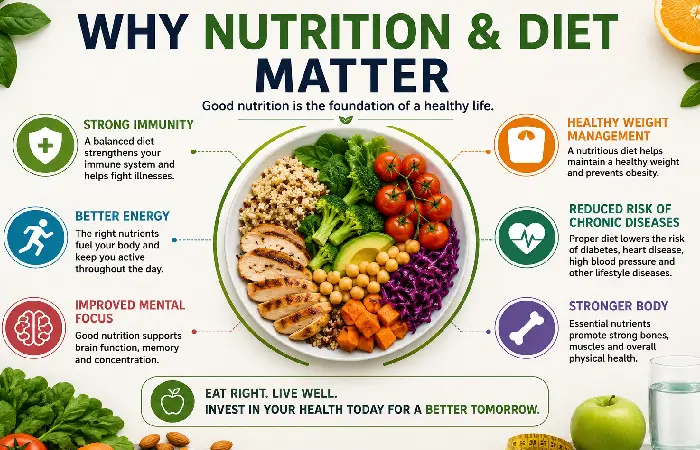
Good nutrition supports:
- Healthy body weight management
- Strong immune function
- Better energy levels
- Improved concentration and productivity
- Muscle maintenance and recovery
- Reduced risk of chronic diseases
- Healthy ageing
Healthy Meal Planning: Building Sustainable Eating Habits
What Is Healthy Meal Planning?
Healthy Meal Planning Is just as described planning your meals in an advance so to have well-balance meals and nutrition and regular eating schedule.
Meal plans reduce the amount of junk food decisions, help with managing portion sizes.
Learning the basics of wellness can help you make better dietary choices, and better healthy habits too. Learn more in our Wellness Basics Guide.
Key Components of Effective Meal Planning
- Include vegetables in every meal
- Choose whole grains over refined grains
- Add lean protein sources
- Limit highly processed foods
- Maintain regular meal timings
- Plan healthy snacks
Example Daily Meal Structure
| Meal | Example Options |
| Breakfast | Oats with fruit and nuts |
| Mid-Morning Snack | Fruit or yoghurt |
| Lunch | Brown rice, dal, vegetables, salad |
| Evening Snack | Roasted chana or nuts |
| Dinner | Chapati, paneer, vegetables |
Balanced Diet: Understanding Essential Nutrients
Nutrient Comparison Table
| Nutrient | Main Function | Common Sources |
| Carbohydrates | Energy production | Rice, wheat, oats |
| Protein | Muscle repair and growth | Eggs, pulses, fish, paneer |
| Healthy Fats | Hormone and brain function | Nuts, seeds, olive oil |
| Vitamins | Body regulation | Fruits and vegetables |
| Minerals | Bone and organ health | Dairy, leafy greens |
| Water | Hydration and transport | Water, fruits, vegetables |
Practical Balanced Plate Method
A simple approach includes:
- 50% vegetables and fruits
- 25% lean proteins
- 25% whole grains
- Adequate water intake
This technique works the benefits are nutritional without the hassle. Energy, recovery and overall body health can be greatly facilitated by following a healthy diet and practicing exercise. Read our Fitness and Exercise.
Weight Loss Nutrition Plan: What Works Realistically?
People will tell themselves time and time again; I want fast results! But more sustainable outcomes are derived from what you eat most of the time and not your quick fixes like restricting what you consume a great amount of the time.
Core Principles
- Maintain a moderate calorie deficit
- Prioritise protein intake
- Increase fibre-rich foods
- Limit sugary beverages
- Monitor portion sizes
- Stay physically active
Weight Loss Nutrition Workflow
- Assess current eating habits
- Calculate realistic calorie needs
- Increase vegetables and protein
- Reduce highly processed foods
- Track progress weekly
- Adjust portions gradually
- Maintain long-term consistency
Expectations Management
The loss of weight healthy being advisable preferably slowly. Fast weight loss can prove hard to hold and there may be an increased risk of nutrients deficiency.
The food you consume affects your emotional state, concentration and overall emotional being. Continue reading and learn about relationship between nutrition and mood with us. our Mental Wellness Guide.
Superfoods: Helpful Additions, Not Magic Solutions
What Are Superfoods?
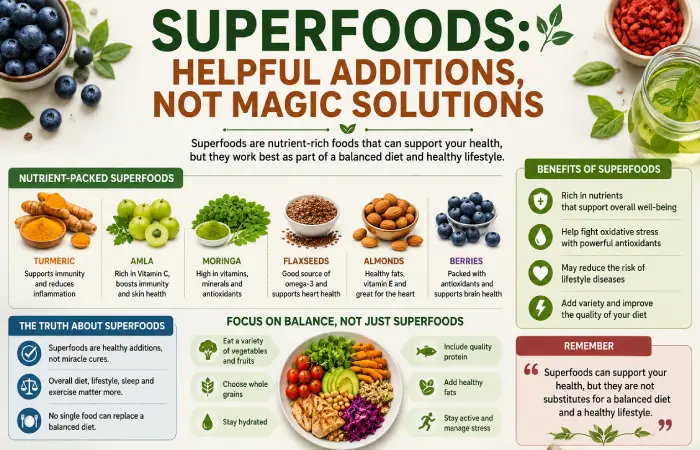
This food is considered to be a “superfood” mainly because it’s packed with healthful vitamins, minerals, antioxidants, and fatty acids.
Common Superfoods in India
- Turmeric
- Amla
- Moringa
- Flaxseeds
- Almonds
- Walnuts
- Spinach
- Berries
Benefits of Superfoods
- Rich nutrient content
- Antioxidant support
- Improved dietary variety
- Potential support for overall wellness
Hydration Tips for Better Health
Why Hydration Matters
Water supports:
- Temperature regulation
- Digestion
- Nutrient transport
- Physical performance
- Cognitive function
If you become dehydrated – even a slight amount, it might reduce your focus levels and energy.
Practical Hydration Tips
- Drink water throughout the day
- Carry a reusable bottle
- Increase intake during exercise
- Consume water-rich foods
- Limit excessive sugary beverages
Hydration Comparison Table
| Beverage | Hydration Benefit | Considerations |
| Water | Excellent | No added sugar |
| Coconut Water | Good | Contains natural sugars |
| Milk | Good | Provides protein |
| Fruit Juice | Moderate | Higher sugar content |
| Soft Drinks | Low | Often high in added sugar |
Common Nutrition Mistakes to Avoid
Skipping Meals
Skipping meals may increase hunger and lead to overeating later.
Excessive Restriction
Eliminating entire food groups without medical guidance can increase the risk of nutrient deficiencies.
Relying on Supplements Alone
Supplements may help in specific situations but should not replace a nutritious diet.
Ignoring Portion Sizes
Even healthy foods contribute calories, making portion awareness important.
Nutrition & Diet Comparison: Balanced Eating vs Fad Dieting
| Factor | Balanced Diet | Fad Diet |
| Sustainability | High | Often low |
| Nutrient Quality | Generally balanced | May be restrictive |
| Long-Term Results | More achievable | Variable |
| Flexibility | High | Limited |
| Risk of Deficiencies | Lower | Higher |
Who Can Benefit from Better Nutrition?
Improved dietary habits may benefit:
- Students
- Working professionals
- Athletes
- Older adults
- Individuals managing weight
- Families seeking healthier lifestyles
Nutrient requirements vary due to factors such as age, activity level, physical condition and disease. The goal is to eat well in order to eat one’s way to a healthy weight. Explore our Weight Management Guide for practical strategies and tips.
Conclusion
Nutrition & Diet matters more than just about anything in the long-run for your health and wellbeing is Diet & Nutrition. It does not have to be anything drastic that can be quite unhealthy anyway for the vast majority of us to feel so much better going all-out on a healthy and a well-planned nutritious, healthy meal, and drinks plan.Sustainable habits, realistic timelines, and consistency are more likely to yield long-lasting results than a “diet” built on the fads of change. Every-day changes to your food choices will help improve your health, build healthy eating habits into lasting practices. Lots of us integrate healthy eating habits with healthy holistic habits and overall wellness,. Learn more in our Yoga and Natural Wellness Guide.