
Introduction
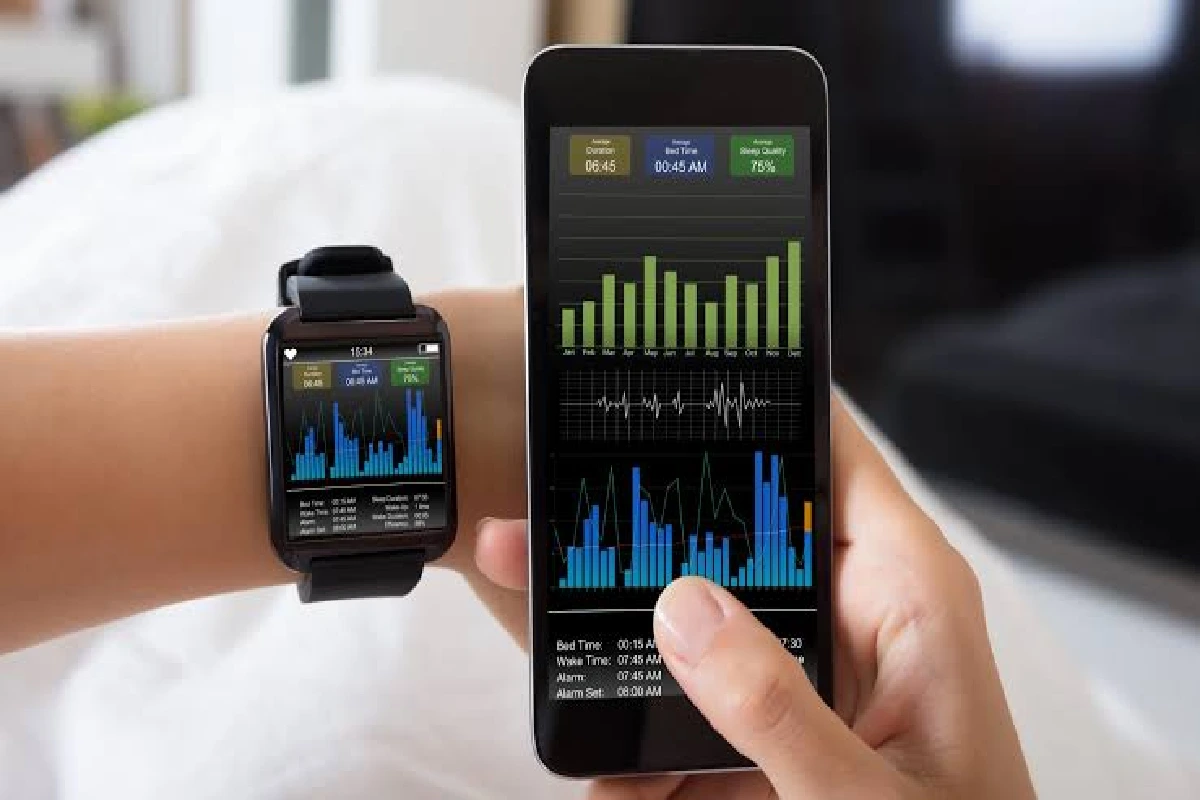
Fitness Watch Features & Buying Guide Fitness watches have come a way. They started as tools that counted steps. Now they are devices that help people manage their health and improve their training. Today’s fitness watches can track kinds of workouts measure heart rate throughout the day analyze sleep patterns give GPS directions and even suggest when the body needs rest.
One size does not fit all. A runner might need a watch, with GPS and detailed running metrics. Someone who cares more about health may want a device that feels good to wear lasts a long time on a charge and gives clear health feedback. The right choice depends on goals.
What Is a Fitness Watch?
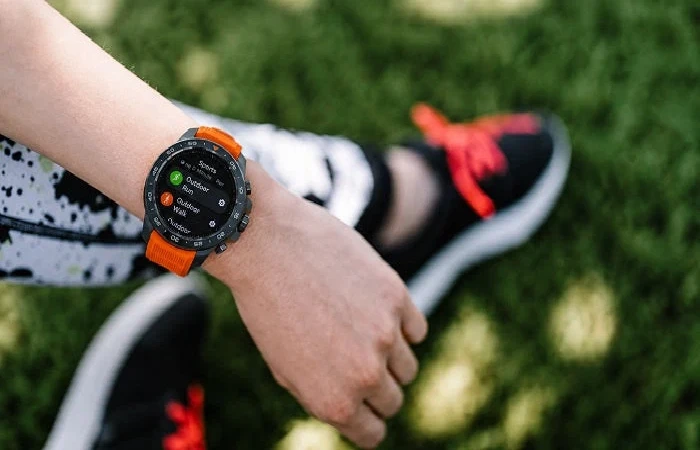
A fitness watch is a device that tracks physical activity, exercise performance and health data. Many of these devices connect to smartphones. Give real-time updates, on movement, workouts, heart rate, sleep patterns and recovery levels. If you’re comparing different smartwatch options, our Best Fitness Watch Guide provides a complete overview of the top devices, features, and recommendations available today.
Common Uses
- Daily activity tracking
- Running and cycling monitoring
- Workout recording
- Heart rate tracking
- Sleep analysis
- Calorie estimation
- Navigation and route tracking
- Water activity monitoring
Essential Fitness Watch Features to Consider
Fitness Watch GPS
GPS is one of the most valuable features for outdoor athletes.
A built-in GPS system records:
- Running routes
- Cycling distances
- Hiking trails
- Walking paths
- Pace and speed metrics
Benefits of GPS
- More accurate distance tracking
- Independent workout recording without a phone
- Better route analysis
- Pace measurement during training
Limitations
- GPS usage reduces battery life
- Accuracy can vary in dense urban environments
- Premium GPS systems often increase cost
Different users have different needs, so our Fitness Watches by Use Case helps you choose the right watch based on your fitness goals and lifestyle.
Fitness Watch Heart Rate Monitor
A fitness watch heart rate monitor helps users understand workout intensity and recovery.
Typical Metrics
| Metric | Purpose |
| Resting Heart Rate | General fitness indicator |
| Active Heart Rate | Exercise intensity tracking |
| Heart Rate Zones | Training guidance |
| Recovery Tracking | Post-workout monitoring |
Who Benefits Most?
- Runners
- Cyclists
- Weight trainers
- Beginners tracking effort levels
- Individuals focusing on cardiovascular health
Expectations
Optical wrist sensors tend to be fairly accurate for the rest of the day, but you’ll often find that it’s slightly less precise than a medical device or chest strap during very intense activity. Athletes and runners should explore our Running and Sports Fitness Watch to discover models built for performance tracking and endurance training.
Fitness Watch Battery Life
Fitness watch battery life varies significantly.
| Watch Type | Typical Battery Life |
| Entry-Level Fitness Watch | 5–10 days |
| Mid-Range Fitness Watch | 7–14 days |
| GPS Sports Watch | 20–40 hours GPS mode |
| Premium Adventure Watch | Several weeks |
Factors Affecting Battery Life
- GPS usage
- Always-on display
- Notifications
- Brightness settings
- Continuous heart rate monitoring
Buying Tip
Long-distance runners, hikers, and travellers should prioritise battery performance over advanced display features.
Fitness Watch Water Resistance
Fitness watch water resistance is important for users who swim or exercise outdoors.
Common Ratings
| Rating | Suitable For |
| IP68 | Splash resistance |
| 3 ATM | Light water exposure |
| 5 ATM | Swimming |
| 10 ATM | Water sports and deeper exposure |
Important Note
Water-resistance ratings do not provide assurance against certain water scenarios. Long term effects of salty, warm, and degraded seals can decrease waterproof qualities. You don’t need to spend a fortune to get quality fitness tracking. Check out our Best Budget Fitness Watches recommendations for affordable options.
Additional Features Worth Considering
Sleep Tracking
Many fitness watches monitor:
- Sleep duration
- Deep sleep
- REM sleep
- Sleep consistency
While useful for identifying trends, sleep tracking should be viewed as an estimate rather than a clinical diagnosis.
Blood Oxygen Monitoring
Potential benefits include:
- Recovery insights
- Altitude adaptation tracking
- Wellness monitoring
Results should not replace professional medical assessment.
Stress Tracking
Certain watches use heart rate variability data to estimate stress levels throughout the day.
This feature may help users identify lifestyle patterns affecting recovery and performance.
Smartphone Connectivity
Modern fitness watches often support:
- Calls
- Text notifications
- Calendar reminders
- Music control
- Contactless payments
These features improve convenience but may reduce battery life. Before buying a smartwatch, review our Fitness Watch Compatibility to ensure it works smoothly with your smartphone and favorite fitness apps.
Fitness Watch Specifications Comparison Table
| Feature | Basic Watch | Mid-Range Watch | Premium Fitness Watch |
| Step Tracking | Yes | Yes | Yes |
| Heart Rate Monitor | Basic | Advanced | Advanced |
| GPS | Connected GPS | Built-In GPS | Multi-Band GPS |
| Sleep Tracking | Basic | Advanced | Advanced |
| Water Resistance | IP68 | 5 ATM | 10 ATM |
| Battery Life | 5–7 Days | 7–14 Days | 14–30+ Days |
| Workout Modes | Limited | Extensive | Extensive |
| Training Insights | No | Some | Advanced |
How to Choose the Right Fitness Watch
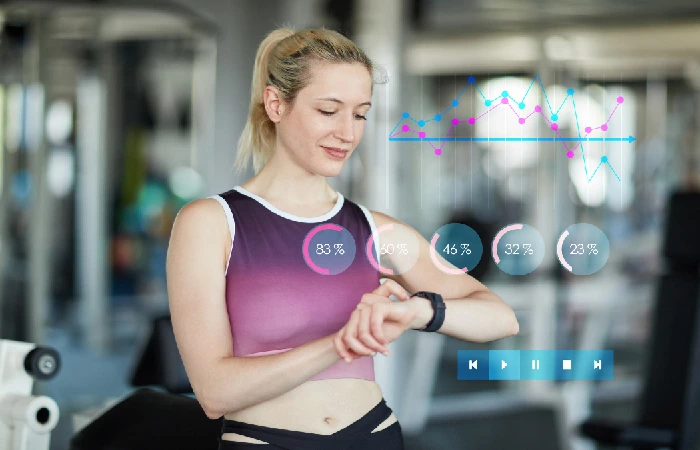
Step 1: Identify Your Goal
Ask yourself:
- General fitness?
- Weight loss?
- Running?
- Cycling?
- Swimming?
- Hiking?
- Strength training?
Your goal should guide your purchase.
Step 2: Decide on Required Features
Prioritise:
- GPS
- Heart rate monitoring
- Battery life
- Water resistance
- Sleep tracking
Avoid paying for features you are unlikely to use.
Step 3: Set a Budget
Typical ranges:
| Budget | What to Expect |
| Under $100 | Basic tracking |
| $100–$250 | GPS and health features |
| $250–$500 | Advanced fitness tools |
| $500+ | Premium multisport capabilities |
Step 4: Check App Compatibility
Ensure the watch works properly with:
- iPhone
- Android devices
- Fitness apps
- Health platforms
Compatibility issues can limit functionality.
Step 5: Consider Comfort
A fitness watch is often worn all day.
Evaluate:
- Weight
- Strap material
- Screen size
- Wrist fit
Comfort significantly affects long-term use.
Performance Expectations: What Fitness Watches Can and Cannot Do
What They Do Well
Track activity trends
Monitor workouts
Estimate calorie expenditure
Provide heart rate insights
Improve training awareness
What They Cannot Guarantee
Perfect calorie accuracy
Medical diagnoses
Exact sleep measurement
Complete injury prevention
Instant fitness improvement
A fitness device just doesn’t substitute your exercise routine your diet and of course, a doctors visit it helps you maintain health habits.
Pros and Cons of Fitness Watches
Pros
- Encourages physical activity
- Provides measurable health data
- Tracks workout progress
- Convenient daily monitoring
- Supports goal setting
Cons
- Sensor accuracy varies
- Battery charging required
- Premium models can be expensive
- Data interpretation can be confusing
- Some features may be unnecessary for casual users
Who Should Buy a Fitness Watch?
Fitness watches are suitable for:
- Beginners starting a fitness journey
- Recreational runners
- Cyclists
- Gym-goers
- Walkers
- Hikers
- Health-conscious individuals
They are particularly useful for users who enjoy tracking progress over time.
Who Should Avoid Buying One?
A fitness watch may not be necessary if:
- You rarely exercise
- You dislike wearing accessories
- You prefer simple activity tracking
- You already use another tracking solution
In some cases, a smartphone fitness app may provide sufficient functionality.
Are Fitness Watches Legitimate and Useful?
Yes. Fitness watches are legitimate tools for tracking activity and wellness metrics.
I find that most modern devices use established sensor technologies to estimate movement, heart rate and sleep patterns. Modern devices give insights but measurements, from sensor technologies are approximations, not medical‑grade readings. For real-world performance insights and product comparisons, browse our detailed Fitness Watch Reviews.
Alternatives to Fitness Watches
If a fitness watch does not fit your needs, consider:
| Alternative | Best For |
| Fitness Bands | Budget users |
| Smartphone Apps | Casual tracking |
| Chest Heart Rate Monitors | Maximum heart rate accuracy |
| Cycling Computers | Cyclists |
| Smart Rings | Discreet health tracking |
Practical Buying Tips
Buy If You Need
- GPS tracking
- Workout monitoring
- Health insights
- Goal tracking
Prioritise
- Accuracy
- Battery life
- Comfort
- App quality
- Durability
Avoid
- Paying extra for unused features
- Choosing style over functionality
- Ignoring battery performance
- Overlooking compatibility requirements
Conclusion
Select your new wearable by determining your fitness objectives, the amount you wish to spend and any particular features you desire in a fitness watch. This Fitness Watch Features & Buying Guide outlines the crucial things to focus on, including: the Fitness Watch with GPS; fitness watch heart rate monitoring; fitness watch battery; and fitness watch water resistance.
Than focusing only on advanced specifications prioritize the features you will use regularly. A well‑chosen fitness watch can help fitness watch track progress fitness watch can support habits and fitness watch can provide valuable training insights over time.