
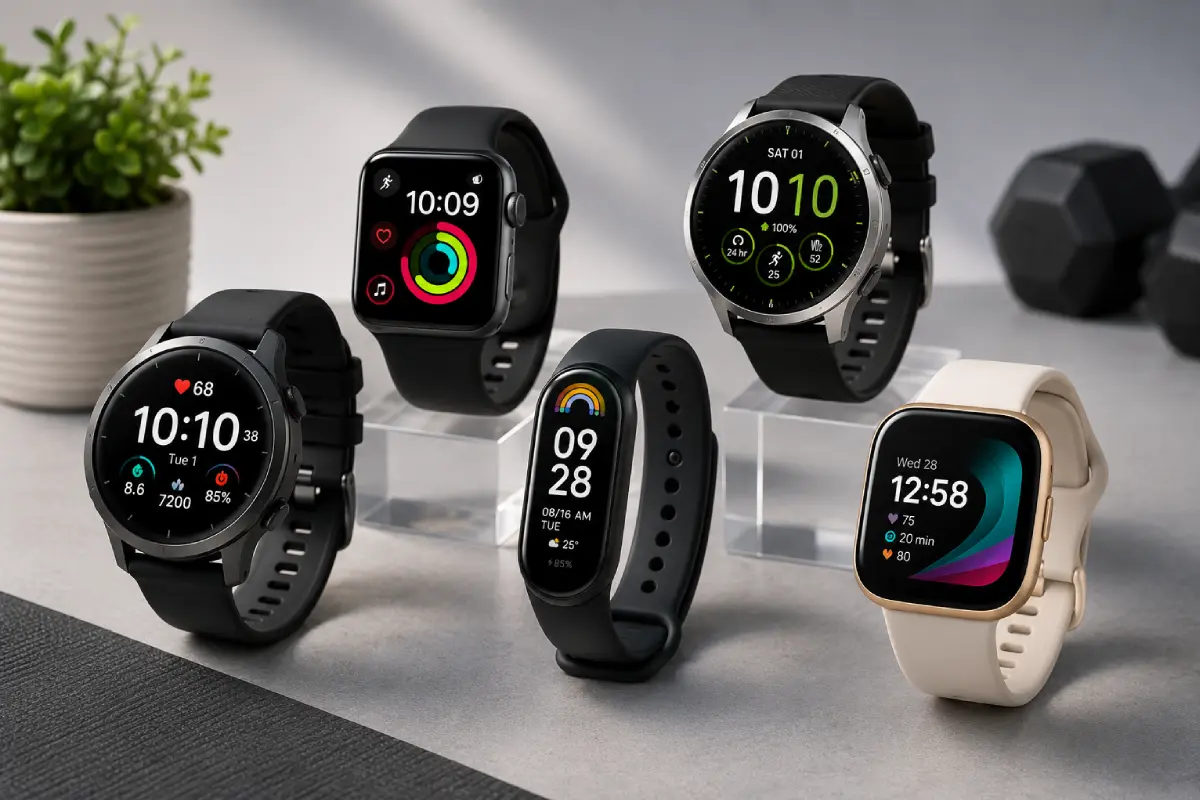
Fitness watches have gone beyond step counters and have become helpful tools for keeping track of health and performance. Whether you are training for a marathon counting steps watching your heart beat or trying to sleep better fitness watches today give you more information than ever. If you’re looking for expert recommendations and product comparisons, explore our Best Fitness Watch Guide to discover the top-rated smartwatches on the market.
This guide offers reviews of fitness watches compares the best brands and shows practical alternatives for different budgets and fitness goals. Of only repeating marketing promises we will look at what you can actually expect what each fitness watch does well what it does not do well and which fitness watch is right, for you.
What Is a Fitness Watch?
I keep my fitness watch on all the time. My fitness watch uses sensors, software and connectivity features to keep track of my health and exercise data. My fitness watch helps me stay active.
Common tracking features include:
- Steps and distance
- Heart rate monitoring
- Calorie estimation
- Sleep tracking
- Workout detection
- GPS navigation
- Stress monitoring
- Blood oxygen measurements
- Smartphone notifications
Fitness Watch vs Fitness Tracker
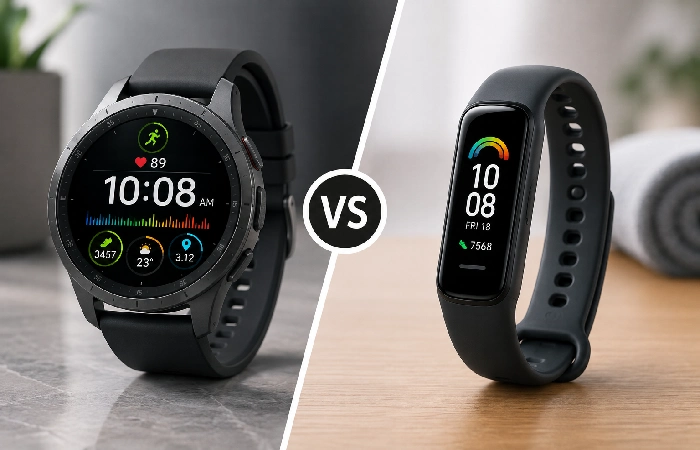
Many buyers confuse these two categories.
| Feature | Fitness Watch | Fitness Tracker |
| Display Size | Larger | Smaller |
| GPS Features | Usually built-in | Often limited |
| Smart Features | Extensive | Basic |
| Battery Life | Moderate to high | Often longer |
| Workout Analytics | Advanced | Basic to moderate |
| Price Range | Medium to premium | Budget to mid-range |
Which Is Better?
A fitness tracker may be sufficient for:
- Daily step counting
- Basic health monitoring
- Budget-conscious users
A fitness watch is generally better for:
- Runners
- Cyclists
- Gym enthusiasts
- Multi-sport athletes
- Detailed health analysis
Key Features to Consider
Before purchasing, evaluate the following features carefully.
GPS Accuracy
Important for:
- Running
- Hiking
- Cycling
- Outdoor workouts
Accurate GPS tracking helps produce reliable distance and pace data. Choosing the right smartwatch becomes easier when you compare devices by activity type, which is why our Fitness Watches by Use Case is a helpful resource.
Heart Rate Monitoring
Most watches now offer continuous heart rate monitoring. The accuracy of that heart rate monitoring may not stay the same during high-intensity workouts.
Sleep Tracking
Advanced devices provide:
- Sleep duration
- Sleep stages
- Recovery scores
- Sleep quality assessments
Water Resistance
Look for ratings suitable for:
- Swimming
- Shower use
- Outdoor training
Smartphone Integration
Many watches support:
- Call notifications
- Messages
- App integration
- Music controls
Garmin Fitness Watch Review
Overview
Garmin has acquired a great deal of trust with outdoor activities; as well as endurance athletes.
Strengths
- Excellent GPS accuracy
- Long battery life
- Detailed training metrics
- Robust outdoor navigation
- Reliable durability
Limitations
- Higher price points
- Learning curve for beginners
- Complex menu systems
Performance Expectations
Garmin devices excel in:
- Running
- Triathlons
- Hiking
- Cycling
- Adventure sports
Users seeking highly detailed training data often find Garmin among the strongest options available.
Best For
- Serious athletes
- Marathon runners
- Outdoor adventurers
Less Suitable For
- Casual users wanting simple tracking
- Buyers with limited budgets
Fitbit Review
Overview
Fitbit remains a known name, in wearable fitness technology. Fitbit is known for its fitness trackers.
Strengths
- User-friendly interface
- Strong sleep tracking
- Wellness-focused ecosystem
- Easy smartphone integration
Limitations
- GPS performance can vary by model
- Advanced training metrics are limited compared with Garmin
Performance Expectations
Fitbit devices perform particularly well for:
- Daily activity tracking
- Weight management
- Sleep monitoring
- General wellness
Best For
- Beginners
- Wellness-focused users
- Everyday fitness tracking
Less Suitable For
- Competitive endurance athletes
Fitness Watch Comparison: Garmin vs Fitbit
| Feature | Garmin | Fitbit |
| GPS Accuracy | Excellent | Good |
| Sleep Tracking | Very Good | Excellent |
| Battery Life | Excellent | Good |
| Training Metrics | Advanced | Moderate |
| Ease of Use | Moderate | Easy |
| Price | Higher | Moderate |
| Smart Features | Good | Good |
Summary
Choose Garmin if training performance is your priority.
Choose Fitbit if overall wellness and simplicity matter more. Athletes can compare performance-focused devices in our Running and Sports Fitness Watch Guide before reading detailed product evaluations.
Typical Specifications Comparison
| Specification | Entry-Level Watch | Mid-Range Watch | Premium Watch |
| Battery Life | 5–7 days | 7–14 days | 14–30 days |
| GPS | Basic | Built-in | Multi-band GPS |
| Heart Rate Sensor | Standard | Enhanced | Advanced |
| Water Resistance | 5 ATM | 5 ATM | 10 ATM |
| Display Type | LCD | AMOLED | AMOLED/Sapphire |
Realistic Performance Expectations
Many advertisements suggest wearable devices provide perfect accuracy.
In reality:
- Step counts can vary slightly.
- Calorie estimates are approximations.
- Sleep tracking is informative but not medical-grade.
- Heart rate sensors may be less accurate during intense movements.
Fitness watches are excellent trend-monitoring tools rather than diagnostic medical devices.
Daily Usage Workflow
Step 1: Set Up the Device
- Download companion app
- Create user profile
- Enable permissions
Step 2: Configure Health Goals
Examples:
- 10,000 daily steps
- Sleep targets
- Weekly workout goals
Step 3: Track Workouts
Record:
- Running sessions
- Cycling activities
- Gym workouts
Step 4: Review Data
Evaluate:
- Recovery trends
- Progress reports
- Activity consistency
Step 5: Adjust Goals
Refine targets based on performance and recovery data.
Battery Life, Build Quality & Materials
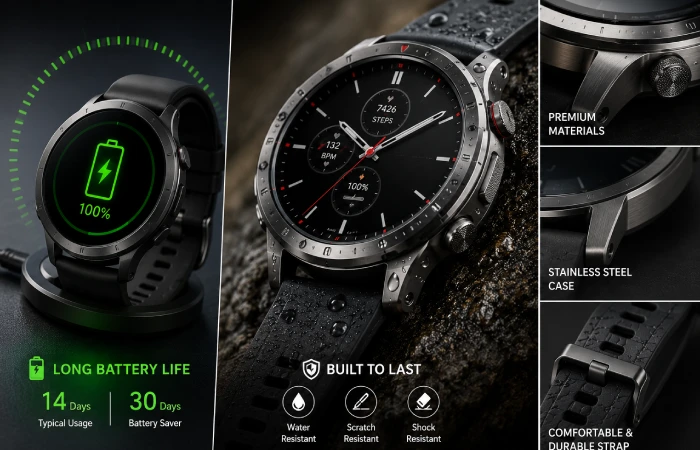
Battery performance differs significantly among brands.
Common Materials
- Aluminium
- Stainless steel
- Fibre-reinforced polymers
- Sapphire crystal glass
Battery Expectations
| Usage Type | Typical Battery Life |
| Heavy GPS Use | 1–3 days |
| Mixed Usage | 5–14 days |
| Battery-Focused Models | 20–30+ days |
Pros and Cons of Fitness Watches
Pros
- Encourages physical activity
- Convenient workout tracking
- Health monitoring features
- Progress visualisation
- Goal-setting support
Cons
- Data is not perfectly accurate
- Premium models can be expensive
- Frequent charging may be required
- Learning curve for advanced features
Are Fitness Watches Legitimate?
However, users should understand their limitations.
Most manufacturers clearly state that:
- Devices are not medical equipment.
- Data should not replace professional healthcare advice.
- Measurements are estimates rather than clinical diagnostics.
Best Fitness Watch Alternatives
Not everyone needs a premium fitness watch.
Alternative 1: Basic Fitness Trackers
Suitable for:
- Step counting
- Sleep tracking
- Budget-conscious buyers
Alternative 2: Smartwatches
Ideal for:
- Productivity
- Notifications
- Communication features
Alternative 3: Heart Rate Chest Straps
Useful for:
- Maximum workout accuracy
- Serious endurance training
Alternative 4: Smartphone Fitness Apps
Good for:
- Beginners
- Occasional exercise tracking
- Cost savings
Who Should Buy a Fitness Watch?
A fitness watch may be a good choice if you:
- Exercise regularly
- Train for specific goals
- Want long-term health insights
- Prefer data-driven progress tracking
- Participate in outdoor sports
Who Should Avoid Buying One?
You may not need a fitness watch if:
- You rarely exercise
- You dislike wearable devices
- Basic smartphone tracking meets your needs
- You won’t regularly review fitness data
Buying Tips Before Choosing a Fitness Watch
Prioritise Your Main Goal
Ask yourself:
- Weight loss?
- Running?
- General wellness?
- Outdoor adventures?
Ignore Unnecessary Features
Many users pay for functions they never use.
Consider Battery Life
Frequent charging can become frustrating.
Check Ecosystem Compatibility
Ensure compatibility with:
- Android devices
- iPhones
- Fitness apps
Read Multiple Fitness Tracker Reviews
Comparing several reviews often reveals patterns that single reviews may miss. Want the best value for your money? Check out our Best Budget Fitness Watches guide to find affordable models worth considering.
Conclusion
If you have Fitness Watch Reviews and Alternatives at the top of your mind then the ideal device comes down to your individual fitness aspirations, budget and your individual feature preferences. Fitness watches by Garmin are particularly desirable for athletes who require performance metrics. For fitness users who’re focused on health and wellness Fitbit remains an option. Now that you understand the disparities between them, performance expectations and comparison alternatives you’ll be fully geared to purchase the best wearable for you.