
Introduction
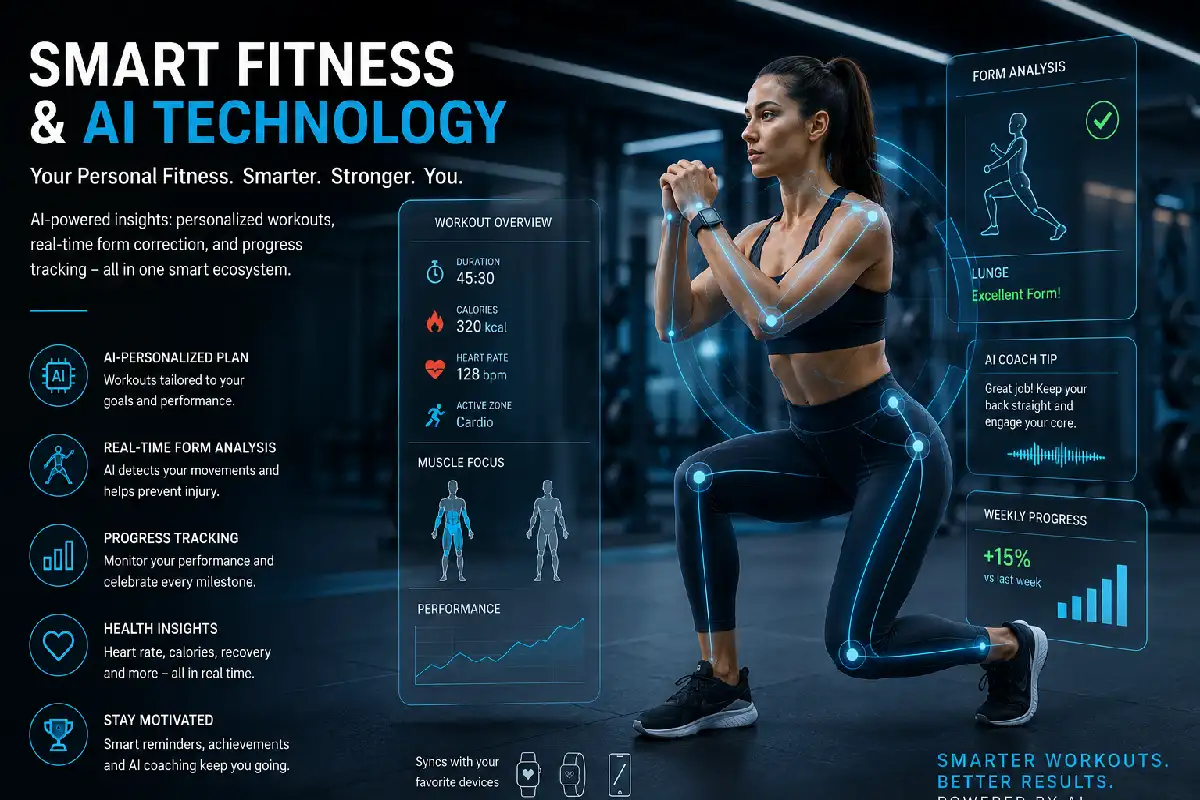
Smart Fitness & AI Technology is slowly becoming the future of future Fitness Center‘s. With AI developments in recommending workouts, to technology integrating into gym equipment and wearables, it is now easier than ever to understand your progress. Although these present a new era of training, they are simply tools and no shortcut, as you still need train and recover over a long period of time.
This Article is a Part of Fitness Technology
Definition
Smart Fitness and Artificial Intelligence Technology is really cool. It uses intelligence and connects to fitness equipment, wearable devices and digital tracking systems. This helps make working out
These technologies collect data about how you perform when you exercise. They look at your exercise habits. Then give you suggestions that are just for you. This helps you make choices about your fitness routine.
What Is Smart Fitness & AI Technology?
Smart Fitness & AI Technology– refers to fitness products which rely on quantitative data, automated technologies, sensors, and machine–learning algorithms on to assist with fitness and wellness objectives. AI is becoming a core component of modern automated fitness management systems, helping gyms improve efficiency, member engagement, and decision-making.
Examples include:
- AI-powered and workout apps
- Smart treadmills and exercise bikes and more
- Wearable fitness trackers
- Connected strength machines
- Automated gym access systems
- Real-time performance monitoring tools
Improve to personalise data driven fitness profiles.
AI in Fitness Industry: How Artificial Intelligence Is Being Used
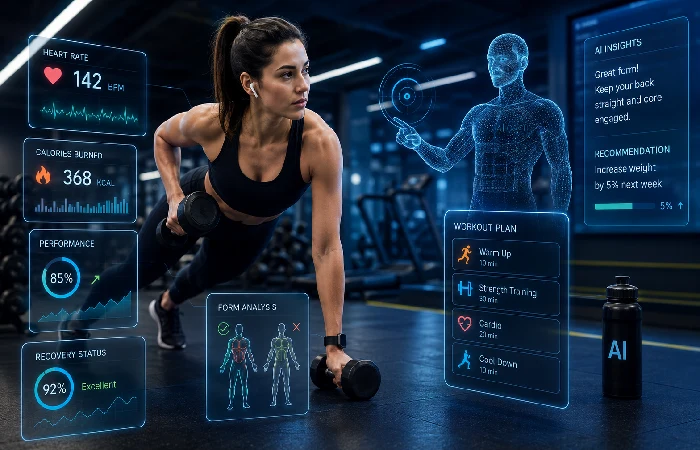
The way fitness services are dispensed are increasingly dictated by artificial intelligence.
Key Applications of AI in Fitness Industry
| Application | Purpose |
| Workout Recommendations | Personalised training plans |
| Movement Analysis | Exercise form assessment |
| Recovery Monitoring | Training load management |
| Virtual Coaching | Digital fitness guidance |
| Performance Tracking | Progress measurement |
| Behaviour Analysis | Habit and engagement insights |
How AI Supports Gym Members
AI systems can analyse:
- Exercise frequency
- Workout intensity
- Recovery patterns
- Goal progression
- Historical performance data
From this, users might get suggestions on the choice of exercises, the right number of sets to perform, or how best to schedule their rest periods.
Consequently AI suggestions should be used in conjunction with advice from qualified exercise professionals when specialised advice is needed. Before exploring artificial intelligence features, it helps to understand the basics of automated fitness management systems and how they streamline daily gym operations.
Smart Gym Technology Trends Shaping Modern Facilities
Many well-being centers are dedicating themselves to technologically superior equipment to enhance member experiences, as well as enhance the efficiency of club operations.
Emerging Smart Gym Technology Trends
Contactless Access Systems
Members can enter facilities using:
- Mobile applications
- QR codes
- Facial recognition systems
- RFID-enabled memberships
AI-Based Equipment Adjustment
Some machines automatically adjust:
- Resistance levels
- Seat positions
- User profiles
- Workout history settings
Digital Performance Dashboards
Members can review:
- Workout history
- Calories burned
- Strength improvements
- Attendance trends
Connected Training Ecosystems
Many gyms now connect equipment, mobile apps, and wearable devices into one integrated fitness environment. Understanding the features of automated fitness management systems can help gym owners identify which AI capabilities are worth investing in.
Wearable Fitness Integration: Connecting Data Across Platforms
Wearable technology has become one of the most visible examples of Smart Fitness & AI Technology.
Popular wearable categories include:
- Smartwatches
- Fitness bands
- Heart-rate monitors
- Smart rings
- GPS sports trackers
Benefits of Wearable Fitness Integration
| Feature | Potential Benefit |
| Heart Rate Tracking | Exercise intensity monitoring |
| Sleep Tracking | Recovery awareness |
| Activity Monitoring | Daily movement insights |
| GPS Tracking | Outdoor workout data |
| Calorie Estimates | Energy expenditure tracking |
Workflow: How Wearable Data Is Used
- User performs workout.
- Wearable collects activity data.
- Data syncs to fitness platform.
- AI analyses performance trends.
- Recommendations are generated.
- Future workouts are adjusted accordingly.
This workflow contributes to more personalized experience of fitness and ease of recording activities.
Before selecting a solution, reviewing an automated fitness management system comparison can reveal which platforms provide the strongest AI functionality.
IoT in Fitness Equipment: Creating Connected Workouts
The Internet of Things (IoT) enables fitness equipment to talk to software systems and neighboring devices.
Examples of IoT in Fitness Equipment
- Smart treadmills
- Connected rowing machines
- Digital cycling systems
- Interactive mirrors
- Sensor-equipped strength machines
Advantages
- Automatic workout recording
- Performance tracking
- Personalised settings
- Equipment diagnostics
- Improved maintenance scheduling
Limitations
Despite the benefits, IoT-connected equipment may face:
- Connectivity issues
- Software updates
- Privacy concerns
- Higher implementation costs
Operators need to consider disadvantages and long term maintenance on a proposed large-scale systems using IoT before applying.
Benefits of Smart Fitness & AI Technology
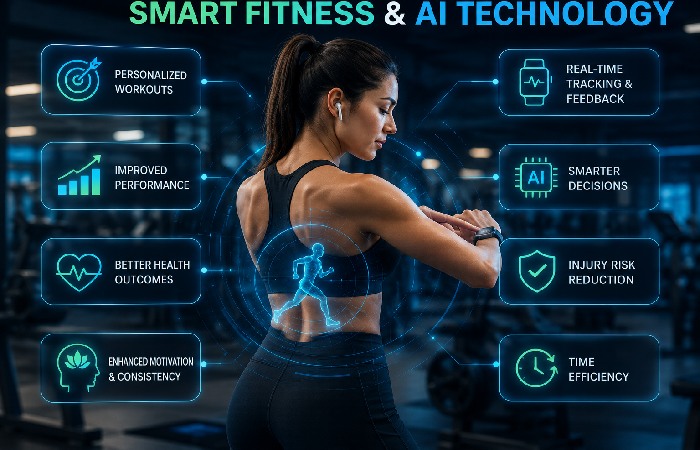
For Gym Members
- Personalised training experiences
- Better progress tracking
- Greater workout convenience
- Enhanced motivation
- Improved data visibility
For Gym Owners
- Operational efficiency
- Improved member retention
- Automated administrative tasks
- Better equipment utilisation
- Enhanced service offerings
Traditional Gym vs Smart Gym
| Feature | Traditional Gym | Smart Gym |
| Workout Tracking | Manual | Automated |
| Equipment Connectivity | Limited | High |
| Personalisation | Trainer dependent | AI-assisted |
| Progress Analytics | Basic | Advanced |
| Access Management | Manual check-in | Automated |
| Data Collection | Minimal | Extensive |
| Remote Support | Limited | Often available |
Both models can be effective. smart gyms can provide more data-centric experiences; on the other hand, less data-intensive training scenarios may still be suitable for certain users of traditional gyms.
Future of Automated Gyms
The future of Automated Gyms will see a closer collaboration of Artificial Intelligence, wearables and connected equipment.
Predictive Fitness Coaching
AI systems may predict:
- Performance plateaus
- Recovery needs
- Injury risk indicators
- Training adaptations
Personalised Exercise Experiences
Future systems could automatically adjust workouts based on:
- Daily readiness
- Sleep quality
- Heart rate variability
- Performance trends
Enhanced Virtual Coaching
Virtual trainers may become increasingly interactive through:
- Computer vision
- Voice guidance
- Real-time movement feedback
Integrated Health Ecosystems
Fitness platforms may connect with broader health monitoring systems, creating more comprehensive wellness tracking environments.
AI tools can significantly improve fitness business operations by reducing manual tasks and enhancing operational efficiency.
Expectations Management: What Smart Fitness Technology Cannot Do
Although Smart Fitness & AI Technology offers useful tools, it is important to maintain realistic expectations.
Technology cannot:
- Replace exercise consistency
- Guarantee weight loss
- Eliminate the need for recovery
- Fully replace qualified medical advice
- Instantly improve fitness levels
Successful fitness outcomes still require:
- Regular training
- Balanced nutrition
- Adequate sleep
- Long-term commitment
Technology supports these efforts but does not replace them.
Pros and Limitations
Pros
- Personalised workout recommendations
- Improved data accuracy
- Greater convenience
- Enhanced engagement
- Better performance tracking
Limitations
- Potential privacy concerns
- Equipment costs
- Dependence on connectivity
- Learning curve for some users
- Variable data accuracy across devices
A level approach enables users to enjoy the features of technology without unrealistic expectations.
Software integrations can significantly influence your decision, making the fitness app ecosystem guide a useful resource.
Who Can Benefit Most?
Ideal Users
- Data-driven fitness enthusiasts
- Gym members seeking progress tracking
- Busy professionals
- Home gym users
- Personal trainers managing clients
May Be Less Necessary For
- Casual exercisers who prefer simplicity
- Individuals uncomfortable with digital tools
- Users focused solely on basic workouts
Conclusion
Fitness and artificial intelligence are changing the way people work out. With artificial intelligence being used in the fitness industry there are trends in smart gym technology and people can use wearable devices to track their fitness. The internet is also being used to make fitness equipment smarter. This means that people can have a personal and detailed workout experience.
Technology can help motivate people and make it easier to track their progress but to really be successful with fitness people still need to exercise rest and eat healthy food. If people use these fitness tools in a good way they can be really helpful, on their fitness journey. Fitness is something that people need to work on every day and smart fitness tools can be a help. The future of automated gyms is also something that is being talked about. It will be interesting to see how it changes the way people work out. One of the most important factors when comparing software is its impact on profitability, which is discussed in the gym revenue guide.