
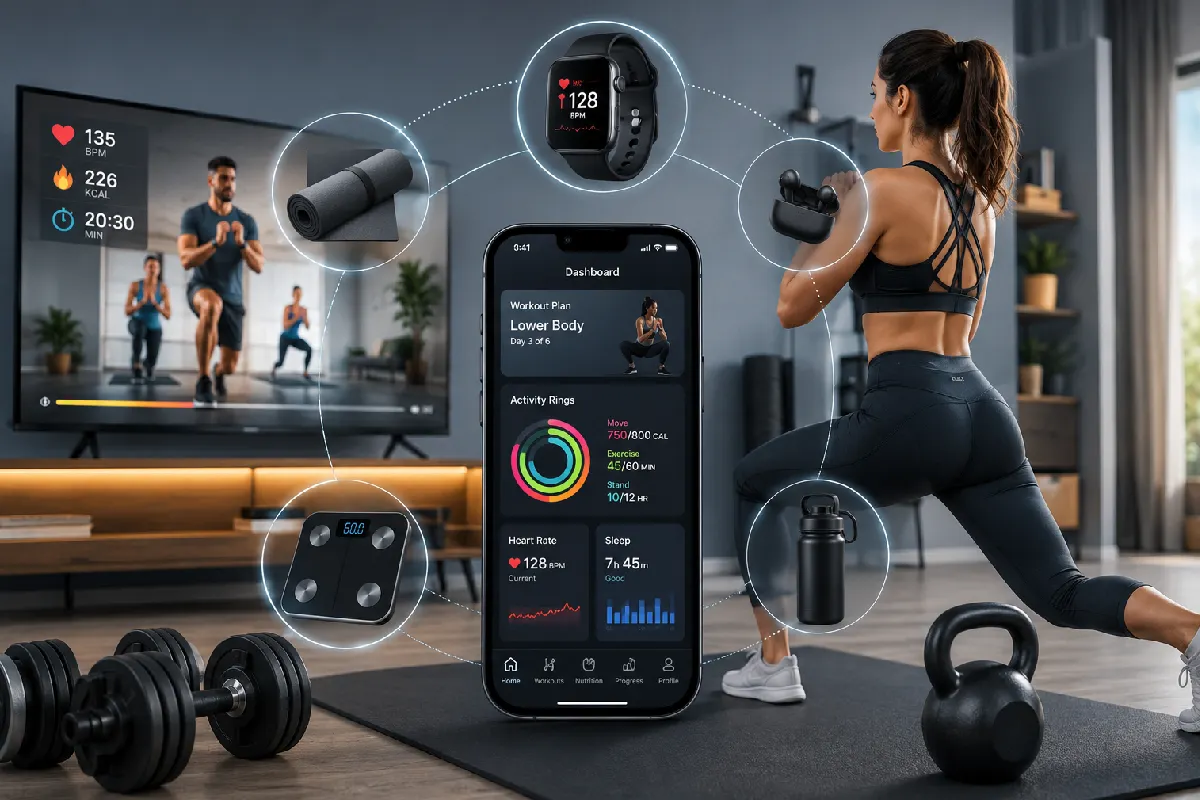
Most home exercise today uses technology, yet the change happened not due to rising interest in health, instead through smarter equipment that predicts actions before they occur. What stands out is less about digital programs taking over coaching roles, more on how devices and code exchange signals behind the scenes to shift daily patterns. That network does far beyond counting steps – over time it notices missed days, weaker lifts near set end, even opening screens not for drive but regret. To understand how connected apps fit into the bigger picture, explore the automated fitness management systems guide.
This Article is a Part of Fitness Technology
Best Home Workout Apps
Workout apps usually include exercise routines alongside built-in timers. Some tweak your plan after reviewing earlier sessions. Lately, a handful connect beyond fitness trackers – tapping into signs of tiredness inferred from sleep stats gathered via health systems. You will not find clear claims about this feature anywhere. Still, records from Apple Health and Google Fit reveal changes in workout timing that happen by themselves when heart rate variability stays low across forty-eight hours. Quietly, your workout shifts toward flexibility on its own. Not smart. Just cautious code – responding to body signals collected somewhere else. Before exploring integrations, it’s helpful to understand the basics of automated fitness management systems.
Fitness Tracking Apps
Counting steps isn’t where fitness tracking stops. Some gadgets struggle when movements aren’t steady, such as weight training or pulling on an oar. Yet recent versions blend motion sensors, spin detectors, and air pressure tools to sharpen results – errors dip under 12% based on checks done by Wirecutter that year. But those figures lose meaning once people read too much into small shifts. Some folks walk more each week yet notice their resting heartbeat rising – overdoing it, but thinking they’re getting better. That mismatch often slips past app alerts because real health benchmarks aren’t built in. Companies skip those standards, fearing legal risk if something goes wrong.
Many of the most valuable integrations enhance the core features of automated fitness management systems.
AI Personal Trainer Apps
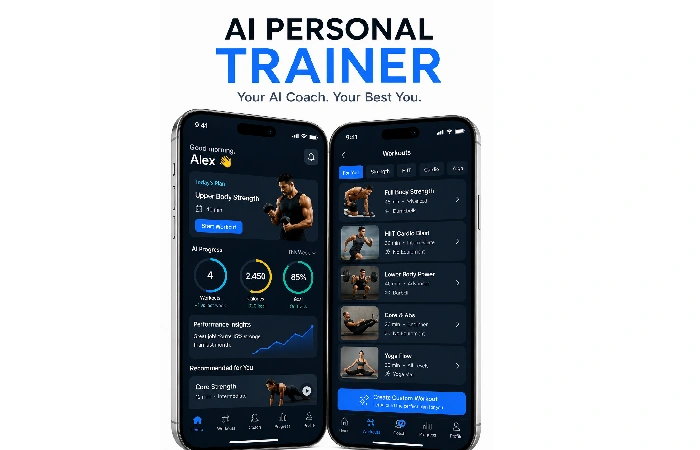
Later arrive exercise apps powered by artificial intelligence. Not copies of top-tier mentors. Rather built on repeating patterns and ease of reach. Consider Future, a program linking people to actual trainers who add notes to filmed training sessions. The design seems robotic. Yet every reply comes from real typing. Camera-powered software inside machines such as Tonal or Tempo watches how you move. Because it checks your joints against typical motion patterns, it can suggest adjustments. But people’s bodies do not all work the same way – differences are normal. When these tools push everyone toward one ideal shape, they might cause more stress than support. A 2022 report in Digital Medicine showed warnings about hip position during squats made some users anxious, especially those whose hips naturally sit tilted forward; yet injuries didn’t go down. Comparing software ecosystems can help you identify which solution offers the best app support and connectivity.
Smart Fitness Devices
Midway through your workout, something shifts. Smart gear feeds constant updates – yet ties you closer to alerts and nudges. A mirror shows numbers ticking live during reps. When form wavers, a band pulses gently at the wrist. Step onto the treadmill, it tilts itself without asking, guided by preset goals. Underneath runs a web of low-energy signals linking each piece. Weight scales pass hydration data along. That info slips into earbuds, advising slower effort – all passed quietly through the watch. Most won’t mention it, but this smooth link comes from tweaked versions of Google’s Fast Pair and Apple’s Continuity – shifted toward health tracking. Companies skip talking about instant syncing since flashy upgrades pull more attention than background harmony.
Connected applications can streamline daily workflows, which is discussed in the fitness business operations guide.
What slips under the radar? Momentum built by data. When sensors collect sufficient information, halting seems tougher than moving forward – especially when outcomes stay unclear. Users continue using devices past their original aim, redirecting attention gradually: tracking pounds shifts toward measuring rest, next to watching tension levels, later to vague “preparedness ratings.” Involvement stretches not because of wins, instead because stepping away demands active removal through several linked systems. Leaving remains needlessly complex. Removing a single profile typically leaves traces on connected networks – a repeated trait within Fitbit’s connection to Google starting in 2022.
Fitness Apps With Automation
One app doesn’t lead the pack. Choices depend on your phone’s system, how you move, yet also how much tracking feels okay. Some pick bare-bones trackers such as Strong made for weight training, while guided workouts pull others toward apps like Nike Training Club. Endurance folks still lean on Strava – not because it measures better, but posting routes fuels a sense of approval among peers. Over in yoga, Down Dog reshuffles routines with smart tweaks tested in real sessions; people stay onboard simply because what they see each time seems different, though deep down patterns repeat.
Money talks when it comes to hiding what your health data really costs. Once fitness trackers touch medical details, federal shields vanish fast. Court papers show silent deals happen – raw patterns fuel insurance forecasts across towns. Leaving these systems? Possible, yet tucked behind layers most never reach. Firms claim mixing up info keeps identities safe – research says differently past fifteen thousand files.
Most times the quiet tools win. When regularity counts, basic design pulls ahead. Take Jefit – it skips flashy effects yet stays popular with serious lifters over years. The same goes for old-style step counters; they move more units than smartwatches in remote parts of America where phone signals come and go, according to health agency data on gear handouts. Even when new gadgets grab headlines, simpler ones keep humming along underneath.
Final Words
Still, pieces fail to connect. Even now, Android and iOS guard their sensor data like separate kingdoms. One workout record from a Samsung tracker might stumble when hopping onto an iPhone training program. Hidden math inside each device keeps things locked down – companies call it precision, others see walls. What looks like progress often hides old borders.
Most of the time, what works isn’t about fancy tools but showing up again tomorrow. Sticking around happens not through flawless weeks but tiny actions each day. A good routine might just be an inexpensive band, written down by hand, pulled out every two days. Gadgets boost habits you already have. They almost never grow motivation from nothing. Better member engagement, retention, and operational efficiency through connected apps can help increase gym revenue.