
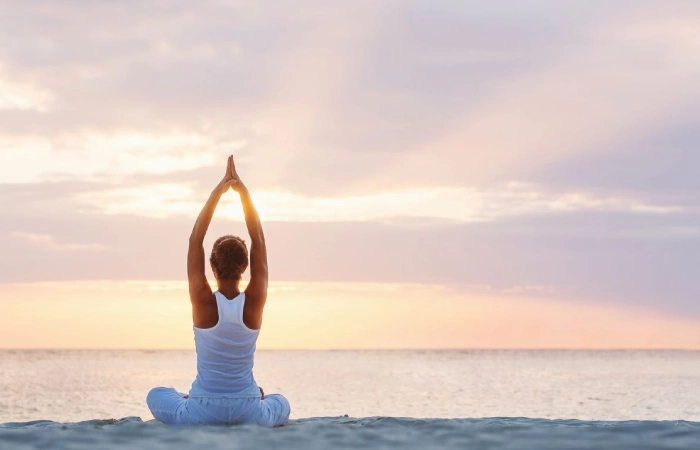
Starting your day with movement can be gentle of a hard workout. Morning yoga poses, for beginners give a easy way to wake the body, stretch and feel calm before the day’s chores start. Whether you have five minutes or thirty minutes a beginner‑friendly yoga practice can make you feel more energetic and ready for the day
In the morning many people turn to yoga because it helps with breathing increases body awareness and eases morning stiffness. The main thing is to begin with simple poses and modest expectations not to jump into complicated ones without advance practice.
Why Morning Yoga Can Be Beneficial
A short yoga session in the morning may help:
- Reduce overnight muscle stiffness
- Improve mobility and flexibility
- Encourage mindful breathing
- Promote better posture awareness
- Support a positive start to the day
- Increase body circulation through gentle movement
While yoga can help many people feel more alert and relaxed the results differ from person to person. Consistency is usually more important, than how each yoga session lasts because the results depend on regular practice.
Morning Yoga for Beginners: What You Need
Before starting, you only need a few basic items:
| Item | Purpose |
| Yoga mat | Provides comfort and grip |
| Comfortable clothing | Allows free movement |
| Water bottle | Supports hydration |
| Quiet space | Helps concentration |
| Optional yoga block | Assists flexibility limitations |
Beginner Morning Yoga Routine (10–15 Minutes)
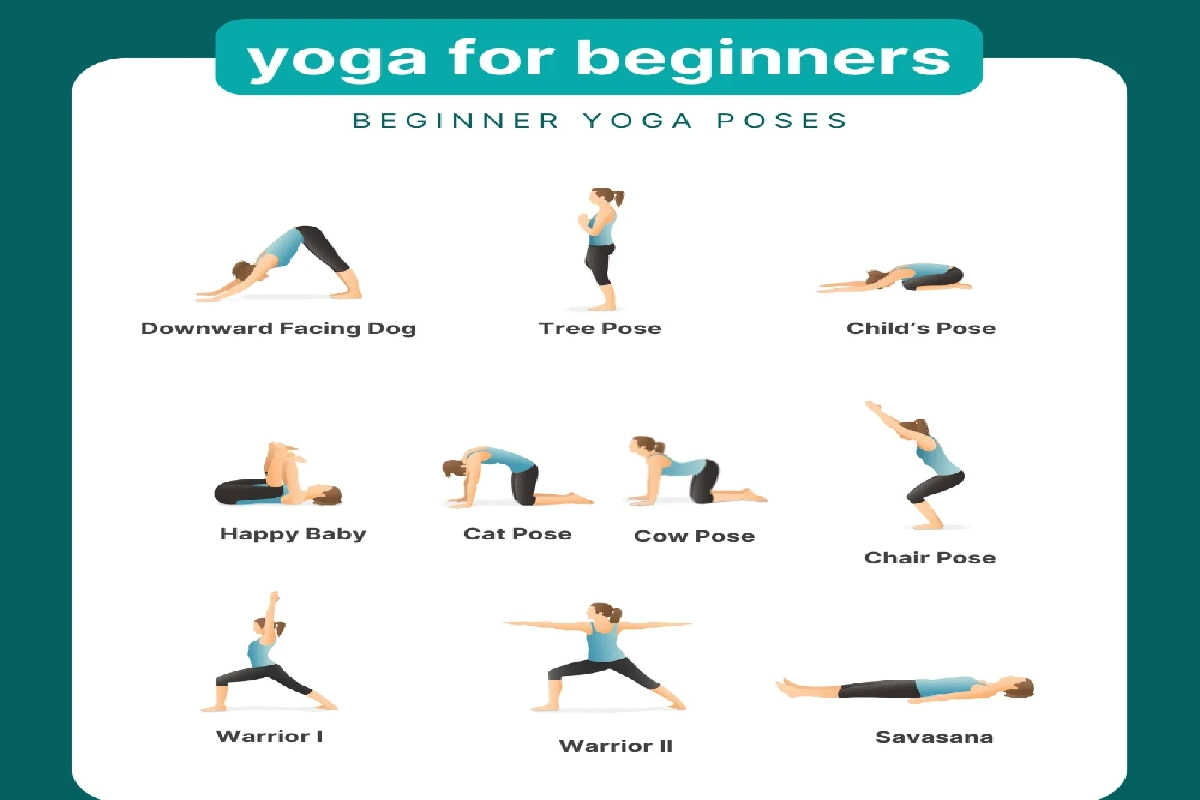
Simple Morning Yoga Routine Workflow
| Step | Activity | Duration |
| 1 | Mountain Pose | 1 minute |
| 2 | Cat-Cow Stretch | 2 minutes |
| 3 | Child’s Pose | 2 minutes |
| 4 | Downward-Facing Dog | 2 minutes |
| 5 | Cobra Pose | 2 minutes |
| 6 | Seated Forward Fold | 2 minutes |
| 7 | Relaxed Breathing | 2–4 minutes |
This routine gives a start to beginner morning yoga and does not need advanced flexibility. Beginner morning yoga works well for anyone who wants to stretch.
Morning Yoga Exercises Compared with Other Morning Activities
| Activity | Flexibility Focus | Strength Focus | Mindfulness Component | Equipment Needed |
| Morning Yoga | High | Moderate | High | Minimal |
| Walking | Low | Low | Moderate | Shoes |
| Jogging | Low | Moderate | Low | Shoes |
| Bodyweight Workout | Moderate | High | Low | Minimal |
| Stretching Only | Moderate | Low | Low | None |
The attraction of yoga is that the activity covers three realms of activity: physical movement, breath and mental attention.
Expectations: What Results Can Beginners Realistically Expect?
Many beginners wonder how quickly yoga produces noticeable changes.
During the First Week
You may notice:
- Better awareness of posture
- Reduced stiffness
- Improved relaxation
After Several Weeks
With regular practice, some people experience:
- Improved flexibility
- Better movement quality
- Greater comfort during daily activities
Important Limitation
Injured or medical conditions .Contact a registered healthcare practitioner before starting any new exercise programme.
Common Mistakes During Simple Morning Yoga
Avoid these beginner errors:
Rushing Through Poses
Yoga focuses on controlled movement rather than speed.
Holding Your Breath
Should be kept slow and steady during the whole time.
Comparing Yourself to Others
The levels of flexibility can differ hugely between people.
Pushing Too Hard
Mild stretching is normal, but pain is not.
Who Should Try Morning Yoga?
Morning yoga may be suitable for:
- Beginners starting a fitness journey
- Office workers with sedentary routines
- Students seeking stress management
- Older adults looking for gentle movement
- Individuals wanting a low-impact exercise option
Pros and Limitations of Morning Yoga
| Pros | Limitations |
| Beginner-friendly | Progress can be gradual |
| Minimal equipment needed | Some poses require modifications |
| Supports flexibility | Not designed for maximum strength gains |
| Encourages mindfulness | Consistency is necessary |
| Suitable for home workouts | Results vary between individuals |
Frequently Asked Questions
Are Morning Yoga Poses for Beginners suitable every day?
Yes. What I would consider to be an easy sequence for beginners could be practiced every day, as long as the yoga poses are comfortable enough and don‘t result in pain.
How long should a morning yoga routine be?
Most beginners take around 10–15 minutes sessions. When they gain more confident, they may extend the session gradually.
Do I need to be flexible before starting yoga?
No. Flexibility develops over time through consistent practice.
Is morning yoga better than evening yoga?
Both are beneficial in their own way. Yoga in the morning can energise the mind and body while yoga in the evening is more relaxation-focused.
What are the easiest Morning Yoga Poses for Beginners?
Mountain Pose is often suggested for beginners. Childs Pose is also a start. Cat-Cow Stretch helps warm up. Cobra Pose builds strength. Seated Forward Fold offers a stretch. These five poses are choices, for people new to yoga.
Conclusion
Beginning your day with morning yoga asanas is a way for beginners to incorporate soft movement, long deep stretches and mindful breathing into your daily routine. Beginning with a few asanas will help to lax your muscles first thing in the morning and get you in a more relaxed state of mind for the day. As a beginner it is best to strive for consistency than perfection and to learn the asanas as slowly as possible.