
Introduction
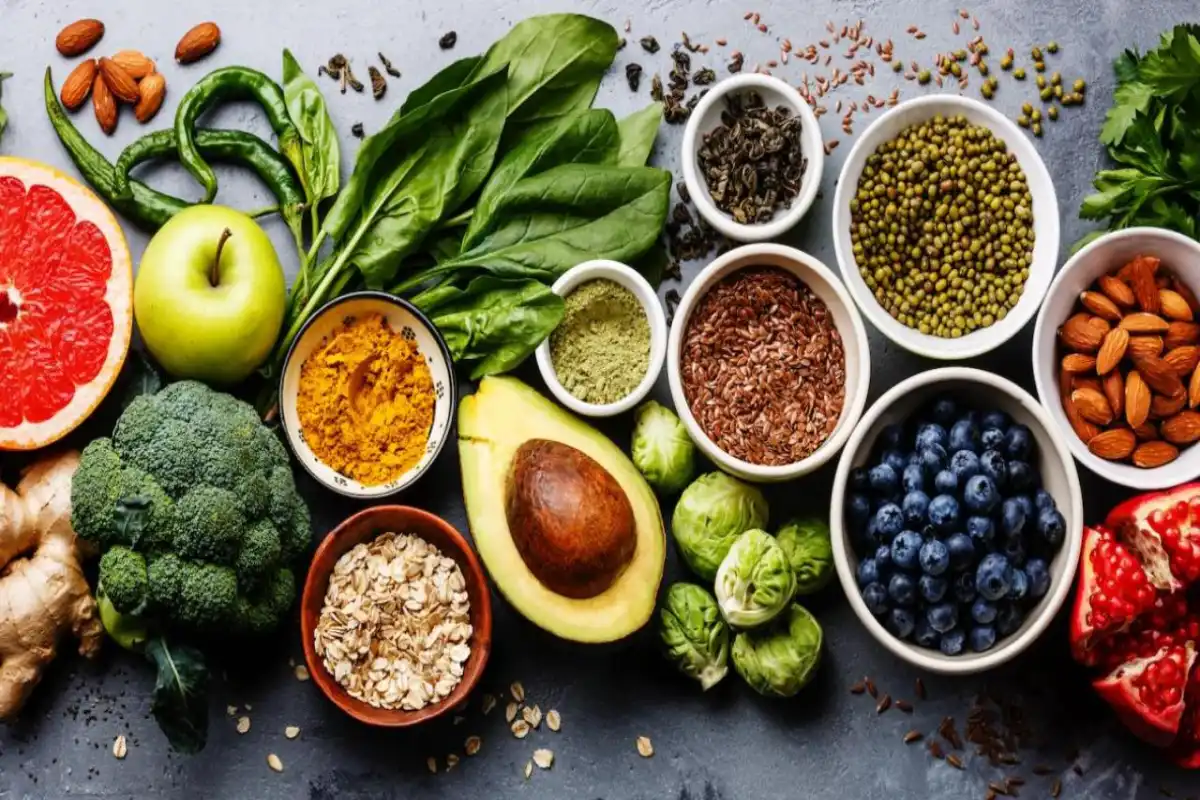
Plant-based diets have become more popular recently. People are noticing because these diets can be good for health and also better, for the environment. They also offer people a way to eat that matches their lifestyle. The word “plant-based” can be confusing. It includes ways of eating each with its own rules and food choices.
The three common types are vegan, vegetarian and flexitarian. All of them focus on plant foods. They include animal products in different amounts.
A vegan diet leaves out every kind of animal product. That means no meat, no poultry, no fish, no dairy, no eggs and no honey. Nothing, from animals is allowed all.
A vegetarian diet is not as strict. It usually allows dairy and eggs though some people choose to avoid one or both. The exact rules depend on the type of vegetarianism someone follows.
A flexitarian diet is more relaxed. It centers on plants. Lets people eat meat, fish or other animal foods now and then. It’s often called a vegetarian approach because it gives room for occasional animal-based meals.
Who Actually Picks Which Approach
Vegan tends to attract people driven by animal welfare or environmental reasons, sometimes a specific health goal too, and — this matters — people who are actually fine with a fairly rigid rulebook. No meat, no dairy, no eggs, no honey in most versions of it.
Vegetarian diet, on the other hand, suits people who want meat and fish gone but aren’t especially bothered about dairy or eggs. It’s often the more liveable long-term option for anyone who’s tried full veganism and found it a bit much.
Flexitarian diet is probably where most people actually start, if we’re honest. Mostly plants, with meat or fish now and then rather than daily.
Plant-Based Diet Foods vs Ketogenic Diet Foods
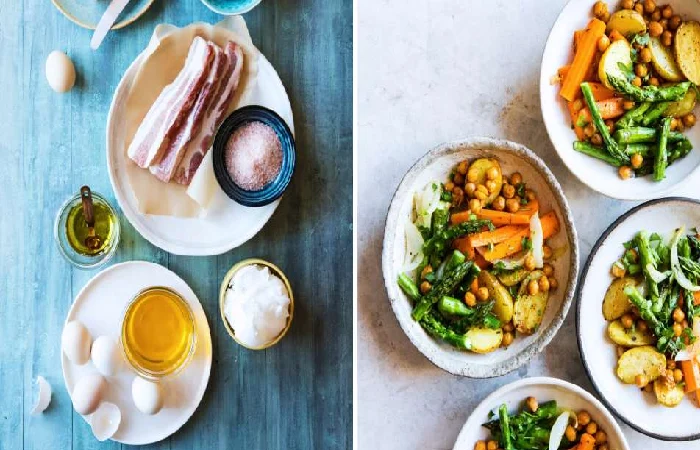
Worth sorting this out early, because people mix these up more often than you’d think. Plant-based diet foods and ketogenic diet foods basically pull in opposite directions.
| Feature | Plant-Based Diet Foods | Ketogenic Diet Foods |
| Main focus | Vegetables, legumes, grains, fruit | High fat, moderate protein |
| Carbohydrate level | Moderate to high | Very low (20–50g/day) |
| Fat intake | Moderate | High, often 70%+ of calories |
| Common staples | Lentils, tofu, oats, beans | Eggs, cheese, meat, avocado |
| Typical goal | Lower animal product intake | Ketosis for fat-burning |
Quick example, since this trips people up: a low carb diet plan or keto diet plan would cut beans and lentils pretty hard because of the carbs — but those exact foods are basically the backbone of plant-based eating. The two don’t really mix without some careful juggling, and most people don’t bother trying.
A Workflow That Actually Works
- Pick your level first — vegan, vegetarian, or flexitarian. Deciding this before you shop saves you a lot of confused wandering round the supermarket.
- Have a look at what you already eat for a few days. Most people are more plant-based than they realise, honestly.
- Swap one meal a day rather than gutting your whole diet overnight. Breakfast’s usually the easiest to shift first.
- If you’re going fully vegan, keep an eye on protein and B12 specifically — those two need actual planning, not just good intentions.
- Give it a proper four weeks before deciding anything. Energy and digestion take a bit of time to settle into a new rhythm.
A Realistic Plant-Based Diet Meal Plan
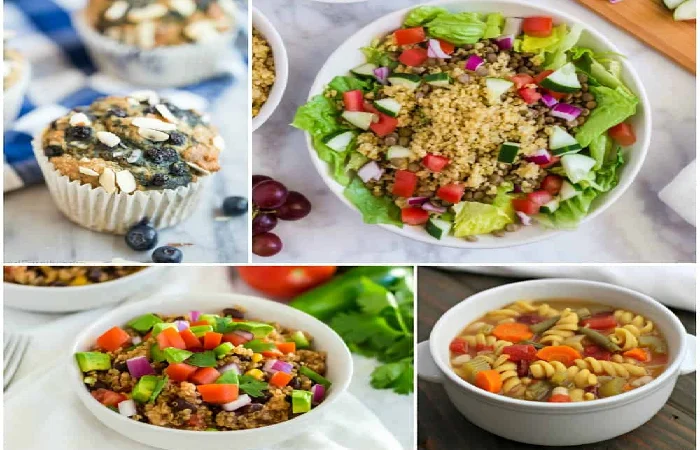
A plant-based diet meal plan doesn’t need to be complicated — and overcomplicating it is genuinely one of the main reasons people quit in week two. A fairly normal week might look like:
- Breakfast: oats with plant milk and fruit, or a tofu scramble
- Lunch: lentil soup, wholegrain bread, side salad
- Dinner: chickpea curry with rice, or a bean chilli
- Snacks: nuts, hummus with veg, fruit
What people actually notice isn’t the food itself, funnily enough — it’s meal planning taking a bit more thought for the first couple of weeks, mostly around getting enough protein without just reaching for meat out of habit.
Morning Routine Suitability
Mornings are honestly the easy part across all three — oats, plant yoghurt, smoothies, tofu scramble, doesn’t matter if you’re vegan, vegetarian or flexitarian. It’s usually the least disruptive meal to change, which is exactly why it’s the one worth starting with.
Evening Routine Suitability
Dinner needs a touch more thought, mostly around protein. Vegetarians can fall back on eggs or dairy-based dishes. Vegans need to actually build meals around legumes, tofu, or tempeh rather than treating them as a side thought. Flexitarians have the easiest time of it — plant-based most nights, fish or chicken thrown in occasionally, no real fuss either way.
Sensitive-User Guidance
Not everyone should just jump into a strict version without a bit of thought first. Pregnant or breastfeeding women, anyone with a history of restrictive eating, and people managing something like anaemia should have a word with a GP or dietitian before going fully vegan — B12, iron and omega-3 need closer attention there. Vegetarian and flexitarian carry a lot less risk on this front, mainly because dairy, eggs or the odd bit of fish quietly cover some of those gaps anyway.
Cost Comparison
Contrary to what people assume, plant-based eating doesn’t have to cost more — often it’s cheaper. Lentils, beans, oats, frozen veg — some of the cheapest things in the shop, genuinely. Costs climb when people lean hard on pre-made vegan substitutes instead — fake meats, specialty cheeses — which often end up pricier than the animal product they’re replacing. Flexitarian tends to land closest to a normal grocery bill, mostly because there’s less need for all those substitutes in the first place.
Setting Realistic Expectations
A plant-based diet isn’t automatically healthy just because animal products are gone — vegan crisps are still vegan crisps, after all. The actual benefit tends to come from more whole foods, more fibre, a wider spread of vegetables — true whether someone’s fully vegan or just eating less meat a few days a week. Also worth saying plainly: some adjustment is normal. Digestion especially can take a couple of weeks to settle as fibre intake goes up, and that’s not a sign something’s wrong, it’s just what happens.
FAQs
What exactly counts as a plant-based diet?
Generally, most meals built from plants — vegetables, grains, legumes, fruit, nuts — with animal products reduced or cut depending on whether you’re going vegan, vegetarian or flexitarian.
Is a plant-based diet the same as vegan?
Not quite — vegan is the strictest version, no animal products at all. Plant-based is the wider umbrella that includes vegetarian and flexitarian too.
Is plant-based eating cheaper than eating meat?
Yes, often. Long as you stick to whole foods, like beans and lentils. If you go for -made substitutes the price tends to go up.
Conclusion
Plant-based diet — vegan, vegetarian and flexitarian all sit under that same umbrella, and which one suits you really comes down to your goals, your household, and how much structure you actually want. Flexitarian’s usually the easiest way in, with room to tighten things up later if it feels right. What matters more than the label, at the end of the day, is whether it’s something you’ll still be doing past the first month.