
Introduction
Weight loss and fat burning are goals for many people who want to get fit.. Lots of folks think that just one thing. Like a special workout a supplement or a certain diet. Can quickly get rid of body fat.
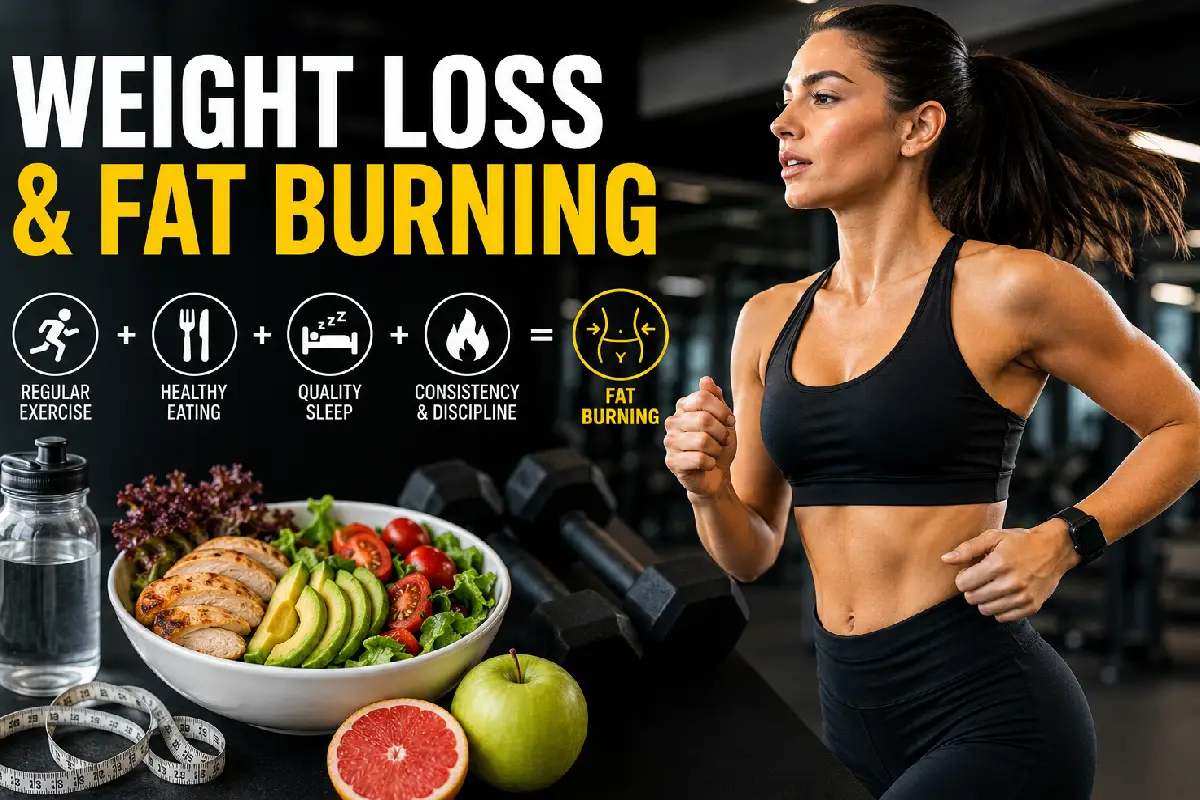
The truth is, losing fat usually happens when you do a things together: exercise regularly eat balanced meals get enough sleep and live a healthy lifestyle.
This guide will help you understand how fat loss works.
It will cover what exercises are best for burning fat what you can realistically expect to achieve and how to pick a fitness plan thats right for you and your fitness level.
It will also help you set goals, for fat loss and exercise. Fat-burning workouts are most effective when they are part of a complete fitness strategy. Explore our Upper Body Workout for workout plans, exercise recommendations, and training tips.
This Article is part of the Home Workout
Weight Loss & Fat Burning Explained
When you want to lose weight you need to make sure your body is using up calories than you are eating. This is how you can lose weight. Weight loss is what happens when your body does this.
Fat burning is when your body uses the fat that is already stored in your body for energy. Your body is using the stored body fat, for energy. This is what we mean by burning. Your body is burning the fat that is stored in your body.
Although these terms are often used together, they are not identical. Weight loss may include reductions in:
- Body fat
- Water weight
- Muscle mass
- Glycogen stores
The goal for most people should be losing body fat while preserving lean muscle.
How Does Fat Burning Work?
Your body keeps energy as fat. When you exercise, the fat that your body has stored starts to help give you energy. This also happens when you do not eat much as your body uses. The stored fat helps to give your body the energy it needs. Your body uses the stored fat to meet its energy needs.
Several factors influence fat burning:
- Daily calorie balance
- Activity level
- Muscle mass
- Protein intake
- Sleep quality
- Stress management
- Hormonal balance
- Age and genetics
No single exercise can “target” fat loss from one specific body area. Understanding which muscles are engaged during training can help you maximize calorie burn and workout efficiency. Learn more in our Upper Body Muscle Groups.
Upper Body Workout for Weight Loss
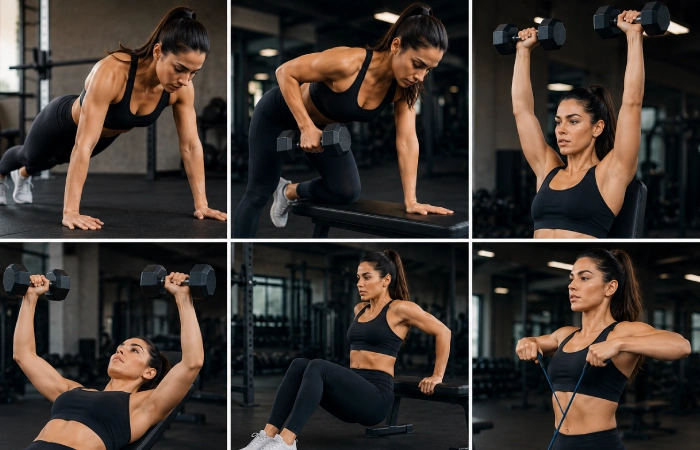
When you do an upper body workout for weight loss it helps you build muscle. At the time it increases the number of calories you burn. The more muscle you have the calories your body uses every day. So an upper body workout, for weight loss can really help with weight loss because it builds muscle and increases expenditure.
Popular exercises include:
- Push-ups
- Dumbbell shoulder press
- Bent-over rows
- Chest press
- Triceps dips
- Biceps curls
- Plank shoulder taps
Performing these movements in circuits helps keep your heart rate up. It also helps improve your strength.
Upper Body Circuit Workout
A simple upper body circuit workout can be completed in around 30 minutes.
Sample Circuit Workflow
| Exercise | Duration |
| Push-ups | 45 seconds |
| Bent-over rows | 45 seconds |
| Shoulder press | 45 seconds |
| Mountain climbers | 45 seconds |
| Triceps dips | 45 seconds |
| Rest | 60 seconds |
Repeat the circuit 3–4 times depending on your fitness level.
Upper Body HIIT Workout

When you do a body HIIT workout you will do short bursts of really hard work and then you will have some time to rest. This is what an upper body HIIT workout is about it is all, about going back and forth between these short bursts of intense effort and the recovery periods that come after an upper body HIIT workout.
Example:
- Push-ups – 30 seconds
- Rest – 15 seconds
- Battle ropes (or fast punches) – 30 seconds
- Rest – 15 seconds
- Dumbbell thrusters – 30 seconds
- Rest – 15 seconds
Repeat for 20–25 minutes.
HIIT workouts may help improve cardiovascular fitness while providing a time-efficient training option. The right exercise selection can increase workout intensity and support fat-loss goals. Explore our collection of Upper Body Exercises for effective training ideas.
Upper Body Workout Calories Burned
The calories burned when you do a body workout are different, for each person. It depends on how much you weigh and how hard you work out. The length of your upper body workout also matters.
| Workout Type | Approximate Calories Burned (30 Minutes) |
| Light resistance training | 120–180 |
| Moderate circuit training | 180–280 |
| Upper body HIIT | 250–400 |
These values are estimates rather than guarantees.
Comparing Workout Styles
| Workout Type | Intensity | Best For | Time Required |
| Strength Training | Moderate | Building muscle | 45–60 mins |
| Circuit Training | Moderate-High | Fitness and calorie burn | 30–45 mins |
| HIIT | High | Time-efficient conditioning | 20–30 mins |
| Walking | Low | Beginners and recovery | 30–60 mins |
Weekly Weight Loss Workflow
Step 1
Choose realistic goals.
Step 2
Exercise 3–5 days each week.
Step 3
Include resistance training at least twice weekly.
Step 4
Eat sufficient protein.
Step 5
Sleep 7–9 hours nightly.
Step 6
Track progress every 2–4 weeks rather than daily.
Performance Expectations
Healthy fat loss usually occurs gradually.
Realistic expectations include:
- Sustainable progress rather than rapid weight changes.
- Improved endurance within several weeks.
- Increased strength with consistent training.
- Visible body composition changes often requiring several months.
Progress varies considerably between individuals.
Pros and Limitations
Pros
- Improves cardiovascular health
- Supports healthy body composition
- Increases muscular strength
- Enhances overall fitness
- Can improve confidence and mobility
Limitations
- Results require consistency
- Nutrition remains essential
- Spot reduction is not supported by evidence
- Progress may slow over time
Who Should Follow a Weight Loss & Fat Burning Programme?
Suitable for:
- Beginners
- Office workers
- Adults aiming to improve fitness
- People seeking sustainable lifestyle changes
Who Should Seek Medical Advice First?
- Heart disease
- Uncontrolled diabetes
- Severe obesity
- Joint conditions
- Pregnancy-related concerns
- Other medical conditions affecting exercise tolerance
Is Weight Loss & Fat Burning Advice Online Legitimate?
Reliable information usually:
- References recognised health organisations
- Promotes balanced nutrition
- Encourages regular exercise
- Avoids unrealistic promises
- Discusses gradual, sustainable progress
Alternatives to Traditional Gym Training
If gym workouts are not suitable, alternatives include:
- Brisk walking
- Cycling
- Swimming
- Yoga
- Home resistance workouts
- Resistance band exercises
- Outdoor interval training
Consistency matters more than the specific activity. You don’t need a gym membership to burn calories and improve fitness. Follow our Home Upper Body Workouts Guide for convenient fat-burning routines.
Buying Tips for Fitness Equipment
When purchasing home workout equipment, consider:
- Available space
- Adjustable dumbbells for progression
- Resistance bands with multiple resistance levels
- Comfortable exercise mat
- Stable footwear
- Long-term durability rather than low price alone
- Using weights and resistance machines can help increase energy expenditure and workout intensity. Learn more in our Gym Upper Body Workouts Guide.
Conclusion
Weight loss and fat burning should be about getting healthy for a time not just about losing weight fast. To do this you need to do a things. You need to do strength training and workouts that target your body and you need to try HIIT sessions. You also need to eat food that’s good for you and make sure you get enough rest. If you do all these things you can get results that will last Maintaining and building muscle is important for supporting metabolism during fat loss. Discover proven strategies in our Upper Body Muscle Building Guide.