
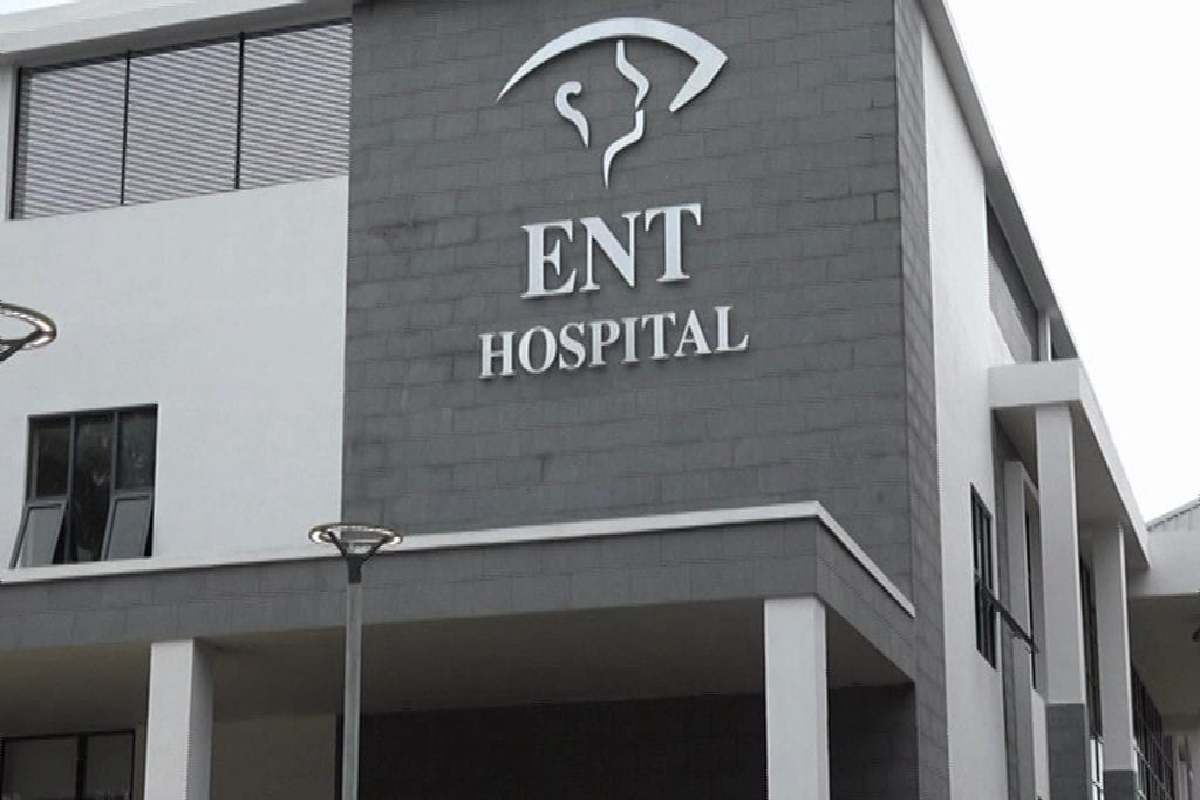
| Quick Answer: ENT hospitals treat conditions of the ear (hearing loss, infections, tinnitus), nose (sinusitis, allergies, polyps), and throat (tonsils, voice disorders, sleep apnea). Consultation fees typically range from Rs.300 to Rs.1,000 depending on your location and the specialist’s experience. |
What Is an ENT Specialist and When Should You See One?
Common Conditions Treated at ENT Hospitals
ENT hospitals are equipped to diagnose and treat a broad spectrum of conditions across three interconnected body systems:
| Ear Conditions | Nose & Sinus Conditions | Throat & Neck Conditions |
| Hearing loss (conductive & sensorineural) | Chronic sinusitis | Tonsillitis & adenoid problems |
| Tinnitus (ringing in the ears) | Allergic rhinitis & hay fever | Voice disorders & hoarseness |
| Ear infections (otitis media & externa) | Nasal polyps | Sleep apnea & snoring |
| Vertigo & balance disorders | Deviated nasal septum | Laryngitis & vocal cord issues |
| Perforated eardrum | Nosebleeds (epistaxis) | Dysphagia (difficulty swallowing) |
| Earwax blockage (cerumen impaction) | Smell disorders (anosmia) | Throat cancer screening |
| Otosclerosis | Post-nasal drip | Thyroid & neck lumps |
Signs You Need an ENT Doctor — Not a General Physician
Although you can seek treatment from your GP for minor and temporary ailments, you should visit your nearest ENT hospital if you experience any of the following:
- One sided or both sided hearing loss-either sudden or long-term.
- Ongoing blockage of, discharge from or pain within an ear which lasts over 1 week.
- Tinnitus which describes the sounds (often ringing, buzzing or humming) that we hear when there is no outside cause.
- Dizziness and balance problems and vertigo attacks.
- A constantly blocked or stuffy nose which does not improve with non-prescription medication.
- Sinus pressure and pain within the face or frequent (3+ per year) bouts of sinusitis.
- A persistently sore throat, hoarse voice and trouble swallowing which lasts over 2 weeks.
- Snoring, gasping whilst you are asleep and potentially sleep apnea.
- A lump or swelling in your neck or throat which appears without an obvious cause.
- Recurrent or difficult to stop nose bleeds.
How to Find the Best ENT Hospital Near me
Not all ENT clinics are equal. The quality of care you receive depends on the specialist’s qualifications, the diagnostic equipment available, and how well the clinic is set up to manage both medical and surgical ENT cases. Here is what to look for when searching for an ENT hospital near you:
What to Look for in a Qualified ENT Clinic
| Factor | What to Check |
| Doctor Qualifications | MS (ENT) or DLO from a recognised medical institution — verify credentials |
| Diagnostic Equipment | Audiometry, tympanometry, endoscopy, and allergy testing capabilities |
| Surgical Facilities | In-house OT for minor procedures; referral network for major ENT surgery |
| Subspecialty Coverage | Separate or combined expertise in paediatric ENT, audiology, and head & neck |
| Appointment Availability | Same-day or next-day slots for acute presentations |
| Patient Reviews | Verified Google or Practo ratings — look for consistent positive feedback |
| Transparent Fees | Clear consultation and procedure fee structure communicated upfront |
| Accessibility | Ground floor or lift access, parking, proximity to public transport |
Get the list of Best ENT Hospitals In India
| Hospital / ENT Centre | City | Key Notes |
| Indraprastha Apollo Hospital | New Delhi | One of India’s top multispeciality hospitals with a strong ENT department and advanced surgeries like cochlear implants and sinus care. |
| Medanta – The Medicity | Gurugram (Haryana) | Well-known for ENT services including endoscopic procedures and hearing treatments. |
| Fortis Memorial Research Institute (FMRI) | Gurugram (Haryana) | Offers ENT care including nasal and ear surgeries, sleep-apnea treatment, and audiology services. |
| Max Super Speciality Hospital | New Delhi | Advanced ENT care with experienced specialists and modern equipment. |
| Care Hospitals (ENT Department) | Hyderabad (Telangana) | Dedicated ENT services with experienced teams and audiology labs. |
| Christian Medical College & Hospital | Vellore (Tamil Nadu) | Reputed teaching hospital with comprehensive ENT services. |
| Sir Ganga Ram Hospital (SGRH) | Delhi | Large multispeciality hospital with quality ENT care and diagnostics. |
| The Calcutta Medical Research Institute (CMRI) | Kolkata (West Bengal) | ENT evaluations and treatments alongside other specialties. |
| MicroCare ENT Hospital | Hyderabad (Telangana) | Specialized ENT super-speciality hospital with focus on cochlear & sinus care. |
| Dr. Rao’s ENT Super Specialty Hospital | Hyderabad (Telangana) | Known for ENT and skull base surgery, voice and airway treatments. |
| MAA ENT Hospital | Hyderabad (Telangana) | Focuses on cochlear implants, sinus and ENT conditions. |
| Apollo Hospitals (ENT Dept.) | Hyderabad (Telangana) | Part of a large network with ENT and hearing restoration services. |
| Continental Hospitals (ENT Dept.) | Hyderabad (Telangana) | Comprehensive ENT care and diagnostics. |
| Paras Hospitals | Gurugram (Haryana) | Offers ENT services along with other specialties. |
| Medanta / Medigroup ENT Clinics | Various | Known nationwide with ENT and otolaryngology care. |
| Government E.N.T. Hospital | Hyderabad (Telangana) | Public ENT speciality hospital focused on ENT and audiology. |
| Government ENT Hospital | Visakhapatnam (Andhra Pradesh) | Public ENT centre serving a broad region. |
| Seven Hills Hospital | Mumbai (Maharashtra) | Provides ENT surgeries and diagnostic ENT services. |
| Jaslok Hospital & Research Center | Mumbai (Maharashtra) | High-end hospital with ENT and related care. |
ENT Consultation Fees — What to Expect
Consultation fees at ENT hospitals vary based on the specialist’s experience, clinic location, and whether diagnostic tests are included in the initial visit. Below is a general fee guide to help you plan:
| Consultation / Procedure Type | Typical Fee Range (INR) | Notes |
| First ENT Consultation | Rs.300 – Rs.1,000 | Varies by doctor seniority and clinic tier |
| Follow-Up Consultation | Rs.200 – Rs.600 | Usually lower than first visit fee |
| Audiometry (Hearing Test) | Rs.300 – Rs.800 | Often available in-house at ENT clinics |
| Tympanometry | Rs.200 – Rs.500 | Assesses middle ear pressure and eardrum function |
| Nasal Endoscopy | Rs.500 – Rs.1,500 | Diagnostic procedure at specialist clinics |
| Ear Wax Removal (Micro-suction) | Rs.300 – Rs.700 | Single or bilateral treatment |
| Allergy Skin Prick Test | Rs.500 – Rs.2,000 | Panel-based — fee varies by number of allergens tested |
| FESS (Sinus Surgery) | Rs.30,000 – Rs.80,000+ | Surgical procedure — includes hospitalisation |
| Tonsillectomy | Rs.25,000 – Rs.60,000+ | Day procedure or short hospital stay |
| Cochlear Implant | Rs.5,00,000 – Rs.8,00,000+ | Device + surgery — insurance coverage varies |
ENT Treatments & Procedures Available Near You
There are a full spectrum of medical and surgical treatments available at present-day ENT hospitals. If you understand what treatments are readily available you should be able to anticipate what might happen when you visit and whether or not the clinic will be able to treat the problem that you have.
Ear Conditions – Hearing Loss, Tinnitus & Infections
It is primarily because of ear conditions that patients visit an ENT hospital. There is a wide range of possibilities, from removing earwax from a patient’s ears, to dealing with sensorineural hearing loss and fitting cochlear implants for individuals. Among the common treatments available are:
- Audiometry and hearing assessment (all age groups)
- Tympanometry assessment of eardrum and middle ear function
- Micro-suctioning and removal of wax under direct vision
- Treatment with antibiotics and anti-fungal agents for infections of the ear
- Myringoplasty: repair of a perforated eardrum
- Grommets inserted into the eardrum (tympanostomy tube insertion) for recurring middle ear infections
- Hearing aid fitting and audiology services
- Cochlear implant evaluation and fitting
Nose & Sinus Conditions — Sinusitis, Allergies & Polyps
ENT out-patient attendances in this sub specialty make up a huge proportion of total visits to ENT departments. Often patients suffer for years from chronic sinusitis or unrecognized allergic rhinitis until they reach ENT specialists. Treatments available include:
- Nasal Endoscopy for visual diagnosis within the nose and sinuses
- Allergy testing, by prick skin testing or specific IgE blood testing
- FESS (Functional endoscopic sinus surgery) for chronic sinusitis or polyp removal
- Septoplasty for nasal septal deviation resulting in obstruction
- Turbinate reduction for nasal obstruction
- Immunotherapy (desensitization to the allergic triggers via allergy shots or drops taken under the tongue) to treat long-term allergic rhinitis
- Nasal bleeding (epistaxis) management, with electro-cautery if necessary
- Assessment and treatment of smell disorders including olfactory rehabilitation
Throat Conditions — Tonsils, Voice Disorders & Sleep Apnea
At ENT hospitals the conditions in the throat and voice include from recurring tonsilitis in children to very technical voice problems for speech professionals and singers. The areas in ENT are also extending into sleep related problems. The most common treatments for such conditions are;
- Tonsillectomy and adenoidectomy – when suffering from recurrent infections and obstruction.
- Laryngoscopy – can be direct or indirect in the way the vocal cords and larynx are visualized.
- Voice therapy and phonosurgery for nodules, polyps or paralysis of the vocal cord.
- Sleep study referral with initiation of CPAP treatment for sleep apnea.
- Uvulopalatopharyngoplasty (UPPP) for the surgical treatment of snoring and mild sleep apnea.
- Diagnosis and treatment of dysphagia.
- The treatment for laryngitis involves voice rest and medical treatment.
- Throat cancer screening and biopsy, carried out by ENT specialists.
ENT Consultation Fees — What to Expect
Consultation fees at ENT hospitals vary based on the specialist’s experience, clinic location, and whether diagnostic tests are included in the initial visit. Below is a general fee guide to help you plan:
Paediatric ENT Care — What Parents Need to Know
Children are disproportionately affected by ENT conditions. Ear infections are the most common reason for antibiotic prescriptions in children worldwide. Recurrent tonsillitis, adenoid hypertrophy, glue ear, and speech delays linked to hearing loss are all conditions that benefit significantly from early ENT intervention.
When choosing an ENT hospital for your child, look for clinics that have experience in paediatric ENT, child-friendly consultation environments, and clear communication with parents about diagnosis and treatment options. Not all adult ENT surgeons are experienced in paediatric procedures — it is worth confirming before booking.
| Common Paediatric ENT Conditions | Typical Age Group | Key Treatment |
| Recurrent ear infections (otitis media) | 6 months – 8 years | Antibiotics; grommet insertion if recurrent |
| Glue ear (otitis media with effusion) | 2 – 10 years | Watchful waiting; grommets if persistent |
| Adenoid hypertrophy | 2 – 12 years | Adenoidectomy if causing obstruction |
| Recurrent tonsillitis | 4 – 15 years | Tonsillectomy after defined recurrence threshold |
| Hearing loss in children | Any age | Audiometry, hearing aids, cochlear implant evaluation |
| Obstructive sleep apnea in children | 2 – 10 years | Adenotonsillectomy as first-line surgical option |
How to Book an ENT Appointment Near You
Booking an ENT appointment has never been easier, with most hospitals now offering multiple scheduling channels. Follow these steps to get the right specialist visit without unnecessary delays:
- Step 1 — Identify your primary symptom: ear, nose, or throat. Note how long it has been present and whether it is getting worse, staying the same, or fluctuating.
- Step 2 — Search for an ENT hospital near you using Google Maps, Practo, or hospital directory websites. Filter by verified reviews, proximity, and appointment availability.
- Step 3 — Call the clinic directly or book online. Confirm the doctor’s name, specialisation, available slots, and whether walk-ins or same-day appointments are accepted.
- Step 4 — Before your visit, prepare a brief symptom history: when it started, any treatments already tried, current medications, and any relevant medical history.
- Step 5 — Arrive with a valid photo ID, your health insurance card if applicable, and any prior reports, audiograms, or imaging related to your condition.
- Step 6 — At the appointment, do not hold back symptoms. Describe everything relevant, including symptoms that seem unrelated — the ENT may identify connections you have not considered.
| Pro Tip: If you are experiencing sudden hearing loss, severe vertigo, or a rapidly worsening throat swelling, treat it as an urgent medical situation and seek same-day ENT care or emergency department review immediately. |
Final Thoughts
Ear, nose, and throat conditions have a direct impact on quality of life — your ability to hear conversations clearly, breathe comfortably, sleep without interruption, and speak without discomfort. None of these are trivial concerns, and none should be managed indefinitely with over-the-counter remedies when specialist care is accessible.
The right ENT hospital near you is one where a qualified, experienced Otolaryngologist can accurately diagnose your condition, explain your options clearly, and offer both medical and surgical pathways tailored to your specific situation. Use the guidance in this article to evaluate your options, ask the right questions, and book with confidence.
| Disclaimer: This article is for informational purposes only and does not constitute medical advice. Always consult a qualified ENT specialist for diagnosis and treatment of any ear, nose, or throat condition. Fee ranges and treatment information are indicative and may vary by location, clinic, and individual case. |