
Last Updated: May 21, 2026
Introduction
The leg press is a staple in many gym routines, especially for those aiming to build strong legs. It allows you to lift heavy weights safely while targeting major lower-body muscles like the quadriceps, hamstrings, and glutes.
However, not everyone has access to a leg press machine. Home workouts, crowded gyms, or personal preferences often push people to look for alternatives. The good news is that there are many effective exercises that can replace the leg press—and in some cases, even offer better results by engaging more muscles and improving balance.
Overview of Leg Press Alternatives
Leg press alternatives are exercises that replicate the movement of pushing resistance with your legs. Unlike machines, many alternatives rely on free weights or bodyweight, making them more functional and versatile.
While the leg press isolates your lower body, alternatives often engage your core, stabilizer muscles, and even improve coordination. This makes them highly effective for overall strength and athletic performance.
Whether you’re a beginner or an advanced fitness enthusiast, these exercises can help you build powerful legs without needing a machine.
Why Choose Alternatives to the Leg Press?
There are several reasons to consider replacing the leg press in your workout:
- No equipment required: Many alternatives can be done at home
- Improved balance: Free-weight exercises enhance stability
- Functional strength: Movements mimic real-life activities
- Reduced injury risk: Proper form reduces strain on joints
- Versatility: Multiple variations keep workouts interesting
Additionally, some people find that machine-based workouts feel restrictive. Alternatives allow for a more natural range of motion, which can be beneficial for long-term fitness.
Best Leg Press Alternatives
1. squat
The squat is often called the king of all leg exercises—and for good reason. It closely mimics the leg press movement while engaging more muscles.
Squats work your quadriceps, hamstrings, glutes, and core. They also improve posture and balance. You can perform squats using just your body weight or add resistance with dumbbells or a barbell.
Why it’s effective:
- Targets multiple muscle groups
- Builds overall strength
- Improves mobility and coordination
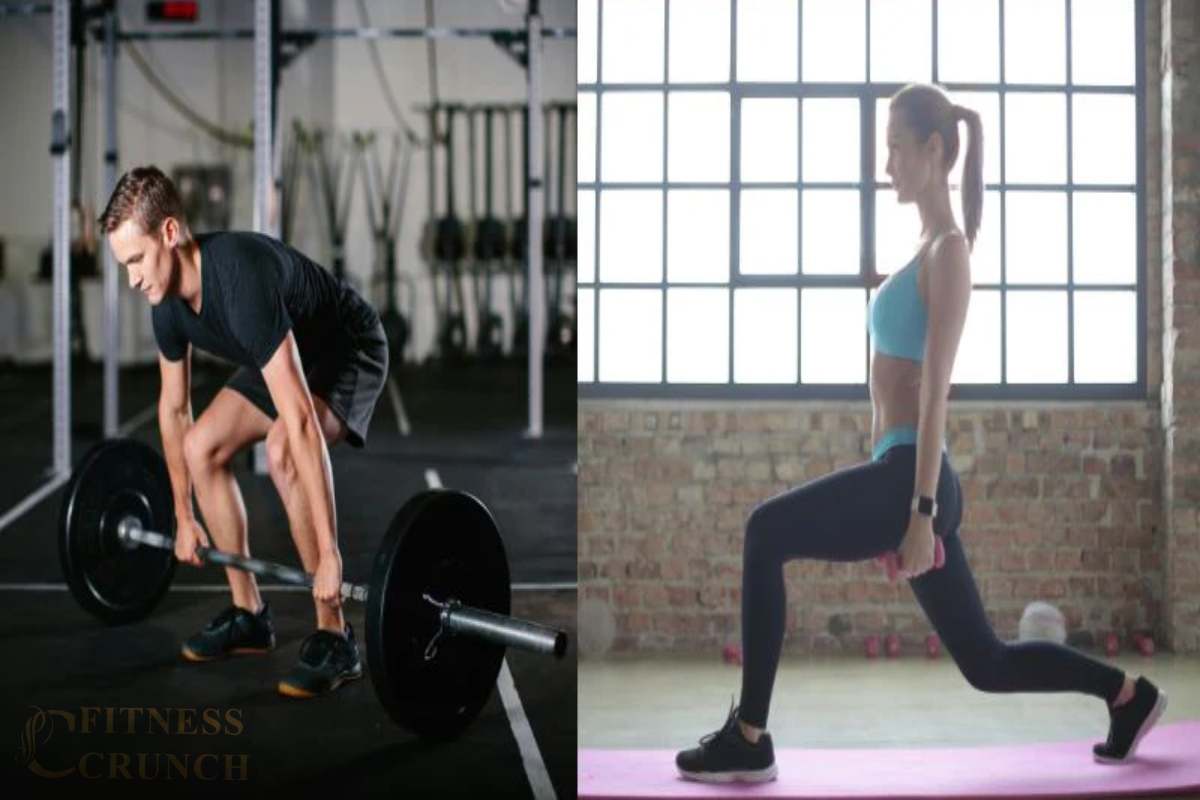
2. lunges
Lunges are another excellent alternative that focuses on one leg at a time. This helps correct muscle imbalances and improves coordination.
There are many variations, including forward lunges, reverse lunges, and walking lunges. Each variation offers slightly different benefits.
Why it’s effective:
- Enhances balance
- Strengthens each leg individually
- Improves functional fitness
3. bulgarian split squat
This advanced exercise involves placing one foot behind you on a bench while squatting with the other leg. It is highly effective for building strength and stability.
Why it’s effective:
- Isolates each leg
- Builds strength quickly
- Challenges balance and coordination
4. step-ups
Step-ups are simple yet powerful. All you need is a bench, step, or sturdy platform. This exercise mimics climbing stairs and is great for everyday strength.
Why it’s effective:
- Functional movement
- Easy for beginners
- Can be intensified with weights
5. wall sit
The wall sit is a static exercise where you hold a seated position against a wall. Although simple, it can be very challenging.
Why it’s effective:
- Builds muscular endurance
- Requires no equipment
- Great for beginners
6. glute bridge
The glute bridge focuses on the posterior chain, especially the glutes and hamstrings. It’s a great complement to other leg exercises.
Why it’s effective:
- Strengthens hips and lower back
- Improves posture
- Reduces risk of injury
Comparison
| Exercise | Equipment Needed | Difficulty | Main Focus |
| Squat | Optional weights | Medium | Full legs |
| Lunges | None/weights | Easy–Medium | Balance & strength |
| Bulgarian Split Squat | Bench | Hard | Single-leg strength |
| Step-ups | Bench | Easy | Functional movement |
| Wall Sit | None | Easy | Endurance |
| Glute Bridge | None | Easy | Glutes & hamstrings |
Tips for Maximum Results
To get the most out of these exercises, keep the following tips in mind:
- Focus on form: Proper technique prevents injuries
- Start light: Gradually increase intensity
- Stay consistent: Train legs 2–3 times per week
- Warm up properly: Prepare your muscles before workouts
- Include variety: Mix different exercises for balanced development
Also, listen to your body. If you feel pain (not muscle fatigue), stop and adjust your form.
Sample Home Workout
Here’s a simple routine you can follow:
- Squats – 3 sets of 12 reps
- Lunges – 3 sets of 10 reps per leg
- Step-ups – 3 sets of 10 reps
- Wall sit – 3 sets of 30–60 seconds
- Glute bridge – 3 sets of 12 reps
This routine can be completed in 20–30 minutes and is perfect for beginners.
Common Mistakes to Avoid
- Knee going too far forward during squats
- Leaning too much forward
- Not engaging core muscles
- Skipping warm-up and stretching
- Using too much weight too soon
Avoiding these mistakes will help you stay safe and get better results.
Conclusion
The leg press is a great exercise, but it is not essential for building strong legs. Alternatives like squats, lunges, and step-ups can deliver equal—or even better—results while improving balance, flexibility, and functional strength.
By incorporating these exercises into your routine, you can achieve powerful and well-developed legs without relying on machines. Whether you’re working out at home or in the gym, these alternatives offer a practical and effective solution for lower-body training.
FAQs
1. What is the best alternative to the leg press?
The squat is widely considered the best alternative due to its full-body benefits.
2. Can beginners do these exercises?
Yes, exercises like squats and wall sits are beginner-friendly.
3. Do I need equipment for leg workouts?
No, many effective exercises can be done using body weight alone.
4. How often should I train my legs?
2–3 times per week is ideal for most people.
5. Are leg press alternatives better than machines?
They can be better because they improve balance, coordination, and functional strength.